Thu, Sep 24, 2026
[Archive]
Volume 11, Issue 4 (Autumn 2025)
JCCNC 2025, 11(4): 349-360 |
Back to browse issues page




Download citation:
BibTeX | RIS | EndNote | Medlars | ProCite | Reference Manager | RefWorks
Send citation to:


BibTeX | RIS | EndNote | Medlars | ProCite | Reference Manager | RefWorks
Send citation to:
M A, John Cecily H S, Venkatraman R. The Discovery of the Dynamics of Nurse-patient Interactions in Mechanical Ventilation: A Grounded Theory Exploration. JCCNC 2025; 11 (4) :349-360
URL: http://jccnc.iums.ac.ir/article-1-795-en.html
URL: http://jccnc.iums.ac.ir/article-1-795-en.html


1- SRM College of Nursing, Faculty of Medicine and Health Sciences, SRM Institute of Science and Technology, Kattankulathur, Chengalpattu, Tamilnadu, India.
2- SRM College of Nursing, Faculty of Medicine and Health Sciences, SRM Institute of Science and Technology, Kattankulathur, Chengalpattu, Tamilnadu, India. ,dean.research.srm.nursing@gmail.com
3- Department of Anaesthesia, SRM Medical College Hospital and Research Centre, SRM Institute of Science and Technology, Kattankulathur, Chengalpattu, Tamilnadu, India.
2- SRM College of Nursing, Faculty of Medicine and Health Sciences, SRM Institute of Science and Technology, Kattankulathur, Chengalpattu, Tamilnadu, India. ,
3- Department of Anaesthesia, SRM Medical College Hospital and Research Centre, SRM Institute of Science and Technology, Kattankulathur, Chengalpattu, Tamilnadu, India.
Keywords: Nurses, Artificial respiration, Nonverbal communication, Intensive care units, Grounded theory
Full-Text [PDF 1332 kb]
(424 Downloads)
| Abstract (HTML) (1347 Views)

Full-Text: (409 Views)
Introduction
Many nurse theorists have examined the nurse-patient relationship. Not to forget, such a relationship arises based on the interaction between them. Pioneers such as Peplau (1952), and Travelbee (1971) developed models that explain how interactions develop into meaningful relationships. Although the Peplau and Travelbee models provide a comprehensive understanding of the general therapeutic context, their applicability in the intensive care unit (ICU) for patients receiving mechanical ventilation is limited because verbal communication is restricted due to the presence of an endotracheal tube (Happ, 2000; Ten Hoorn et al., 2016). Approximately 40%-50% of ICU patients undergo invasive mechanical ventilation (Wunsch et al., 2013; Metnitz et al., 2009), and this rate increased to 89.9% in the COVID-19 pandemic (Wunsch, 2020). This high incidence of invasive mechanical ventilation underscores the need to address communication problems that cause patients’ frustration and distress (Khalaila et al., 2011), and to recognize that nurses caring for them may experience frustration and negative feelings, ultimately suffering from compassion fatigue (Kuyler et al., 2024). Nurses experience frustration, stress, and a sense of inadequacy when their patients cannot express their needs (Magnus & Turkington, 2006). Hopp et al. (2011) emphasized that nurses face challenges in interpreting these patients’ nonverbal cues, which can lead to frustration and distress. Nurses employ non-verbal strategies (gestures, eye contact, touch) and communication aids, such as augmentative tools like communication boards, writing aids, or electronic devices (Happ et al., 2014;Ten Hoorn et al., 2016; Guttormson et al., 2023), to overcome barriers. When nurses and patients communicate effectively in ICUs, anxiety can be reduced, symptoms can be resolved, and patients become happier (Afriyie, 2020; Kwame & Petrucka, 2021).
Despite these strategies, there is a lack of knowledge in the literature about how nurses and patients interact during mechanical ventilation. Understanding nurse-patient interactions in this context is important in light of the above. Therefore, investigators decided to learn about the interaction between nurses and patients on mechanical ventilation from the experience of nurses working with patients on mechanical ventilation, as nurses can contribute to building knowledge in this area through their daily experience of these interactions.
Materials and Methods
This qualitative study used Strauss and Corbin’s (1998) grounded theory approach. Through this method, nurse-patient interactions were analyzed for structure and meaning. From an ontological perspective, this study adopts a critical realist orientation, acknowledging that nurse-patient interactions during mechanical ventilation exist as an objective reality, shaped by individual perceptions and social contexts (Strauss & Corbin, 1998). In terms of epistemology, the study adopts a pragmatic and symbolic interactionist approach, where nursing experiences and interactions are used to co-create knowledge, emphasizing shared meanings developed in clinical practice (Strauss & Corbin, 1998).
Sampling technique
(Table 1) shows the characteristics of the participants in the study.

A total of 25 nurses working in adult ICUs at SRM Medical College Hospital and Research Centre were selected using purposive and theoretical sampling. Data collection continued until the categories were saturated, and it was ensured that no new concepts or ideas emerged.
The study included nurses working directly with patients under mechanical ventilation. Both male and female nurses, with at least one year of ICU experience, who could communicate well in Tamil or English, and who were willing to participate in the study, were included. Nurses who were temporarily assigned to ICUs from other wards (floating nurses) were excluded. Table 1 shows that maximum variation sampling is achieved.
Data collection
Data collection and analysis were done simultaneously. We conducted individual, in-depth face-to-face semi-structured interviews with participants using an interview guide (Table 2) between September 2023 and January 2024.
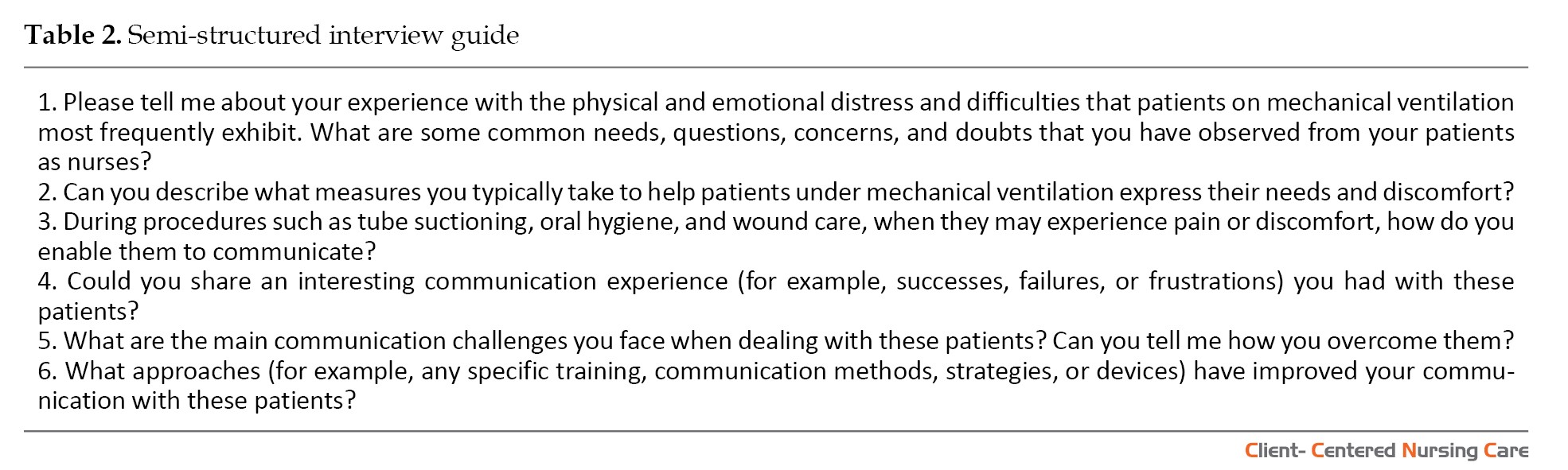
The interviews began by asking participants about their experiences of observing the physical/emotional distress of mechanically ventilated patients and their difficulties in communicating their needs to nurses. Additional questions were then asked based on the interview guide. Subsequent questions were based on the participants’ responses and were used to clarify their meaning. Probing questions also helped to understand the participants’ experiences further. These interviews were audio recorded in both English and the participants’ original language with permission. The transcripts were prepared in the Tamil language and subsequently translated into English. Back translation was performed to ensure consistency with the original participants’ responses.
Data analysis
We analyzed the data manually, using a thematic analysis approach with the categorization process described by Strauss and Corbin (1998). We conducted open coding to identify initial text-based codes, followed by axial coding to group related codes into thematic categories. These were then logically arranged through selective coding to develop overarching theoretical constructs. Three theoretical constructs emerged, each comprising 5-6 thematic categories and 2-5 text-based codes. The first author collected the data, which was then transcribed and translated, and sent to the other two. As a result, three of us conducted independent coding. We adapted the constant comparison method. We met regularly to discuss the consensus on the emerging codes and categories, and continued to organize them. We repeated this process of data collection and analysis till data saturation was achieved.
Data trustworthiness
To ensure trustworthiness, we applied Lincoln and Guba’s (1985) criteria. Credibility was achieved through investigator triangulation and member checking. Three researchers were involved in the data analysis, and ten participants confirmed the findings. Thick descriptions of the research context and participants supported Transferability. Dependability was strengthened through an audit trail documenting all research stages for transparency and consistency. Peer debriefing by two other researchers experienced in the grounded theory approach, along with member checking, established confirmability.
Results
Through the analysis of nurses’ transcripts, three key theoretical constructs were found. These are the stages of communication and symptom dynamics at different phases of nurse-patient interaction during mechanical ventilation and along the phases of anesthesia recovery (Figure 1).
Many nurse theorists have examined the nurse-patient relationship. Not to forget, such a relationship arises based on the interaction between them. Pioneers such as Peplau (1952), and Travelbee (1971) developed models that explain how interactions develop into meaningful relationships. Although the Peplau and Travelbee models provide a comprehensive understanding of the general therapeutic context, their applicability in the intensive care unit (ICU) for patients receiving mechanical ventilation is limited because verbal communication is restricted due to the presence of an endotracheal tube (Happ, 2000; Ten Hoorn et al., 2016). Approximately 40%-50% of ICU patients undergo invasive mechanical ventilation (Wunsch et al., 2013; Metnitz et al., 2009), and this rate increased to 89.9% in the COVID-19 pandemic (Wunsch, 2020). This high incidence of invasive mechanical ventilation underscores the need to address communication problems that cause patients’ frustration and distress (Khalaila et al., 2011), and to recognize that nurses caring for them may experience frustration and negative feelings, ultimately suffering from compassion fatigue (Kuyler et al., 2024). Nurses experience frustration, stress, and a sense of inadequacy when their patients cannot express their needs (Magnus & Turkington, 2006). Hopp et al. (2011) emphasized that nurses face challenges in interpreting these patients’ nonverbal cues, which can lead to frustration and distress. Nurses employ non-verbal strategies (gestures, eye contact, touch) and communication aids, such as augmentative tools like communication boards, writing aids, or electronic devices (Happ et al., 2014;Ten Hoorn et al., 2016; Guttormson et al., 2023), to overcome barriers. When nurses and patients communicate effectively in ICUs, anxiety can be reduced, symptoms can be resolved, and patients become happier (Afriyie, 2020; Kwame & Petrucka, 2021).
Despite these strategies, there is a lack of knowledge in the literature about how nurses and patients interact during mechanical ventilation. Understanding nurse-patient interactions in this context is important in light of the above. Therefore, investigators decided to learn about the interaction between nurses and patients on mechanical ventilation from the experience of nurses working with patients on mechanical ventilation, as nurses can contribute to building knowledge in this area through their daily experience of these interactions.
Materials and Methods
This qualitative study used Strauss and Corbin’s (1998) grounded theory approach. Through this method, nurse-patient interactions were analyzed for structure and meaning. From an ontological perspective, this study adopts a critical realist orientation, acknowledging that nurse-patient interactions during mechanical ventilation exist as an objective reality, shaped by individual perceptions and social contexts (Strauss & Corbin, 1998). In terms of epistemology, the study adopts a pragmatic and symbolic interactionist approach, where nursing experiences and interactions are used to co-create knowledge, emphasizing shared meanings developed in clinical practice (Strauss & Corbin, 1998).
Sampling technique
(Table 1) shows the characteristics of the participants in the study.
A total of 25 nurses working in adult ICUs at SRM Medical College Hospital and Research Centre were selected using purposive and theoretical sampling. Data collection continued until the categories were saturated, and it was ensured that no new concepts or ideas emerged.
The study included nurses working directly with patients under mechanical ventilation. Both male and female nurses, with at least one year of ICU experience, who could communicate well in Tamil or English, and who were willing to participate in the study, were included. Nurses who were temporarily assigned to ICUs from other wards (floating nurses) were excluded. Table 1 shows that maximum variation sampling is achieved.
Data collection
Data collection and analysis were done simultaneously. We conducted individual, in-depth face-to-face semi-structured interviews with participants using an interview guide (Table 2) between September 2023 and January 2024.
The interviews began by asking participants about their experiences of observing the physical/emotional distress of mechanically ventilated patients and their difficulties in communicating their needs to nurses. Additional questions were then asked based on the interview guide. Subsequent questions were based on the participants’ responses and were used to clarify their meaning. Probing questions also helped to understand the participants’ experiences further. These interviews were audio recorded in both English and the participants’ original language with permission. The transcripts were prepared in the Tamil language and subsequently translated into English. Back translation was performed to ensure consistency with the original participants’ responses.
Data analysis
We analyzed the data manually, using a thematic analysis approach with the categorization process described by Strauss and Corbin (1998). We conducted open coding to identify initial text-based codes, followed by axial coding to group related codes into thematic categories. These were then logically arranged through selective coding to develop overarching theoretical constructs. Three theoretical constructs emerged, each comprising 5-6 thematic categories and 2-5 text-based codes. The first author collected the data, which was then transcribed and translated, and sent to the other two. As a result, three of us conducted independent coding. We adapted the constant comparison method. We met regularly to discuss the consensus on the emerging codes and categories, and continued to organize them. We repeated this process of data collection and analysis till data saturation was achieved.
Data trustworthiness
To ensure trustworthiness, we applied Lincoln and Guba’s (1985) criteria. Credibility was achieved through investigator triangulation and member checking. Three researchers were involved in the data analysis, and ten participants confirmed the findings. Thick descriptions of the research context and participants supported Transferability. Dependability was strengthened through an audit trail documenting all research stages for transparency and consistency. Peer debriefing by two other researchers experienced in the grounded theory approach, along with member checking, established confirmability.
Results
Through the analysis of nurses’ transcripts, three key theoretical constructs were found. These are the stages of communication and symptom dynamics at different phases of nurse-patient interaction during mechanical ventilation and along the phases of anesthesia recovery (Figure 1).
The model illustrates the synergy between continuums of symptom dynamics and communication dynamics in nurse-patient interactions during mechanical ventilation. At each phase of the nurse-patient interaction, the continuum of symptom dynamics extends from anticipation to resolution, culminating in the resolution of phase-specific symptoms and needs as the outcome. In parallel, the continuum of communication dynamics evolves from anticipatory communication to empowered partnership communication, with each stage building on the previous one, ultimately resulting in progressive reciprocal communication as the outcome.
The continuum of symptom dynamics
This theoretical construct explains how nurses care for patients on mechanical ventilation recovering from anesthesia/sedation, using the concepts of “needs” and “symptoms.” A need is a requirement, while a symptom is the expression of an unmet need (Dodd et al., 2001). For example, water and comfort are needs, while thirst and pain are symptoms. Nurses expressed that they focus on identifying and meeting their patients’ needs. As patients become more alert, nurses focus on identifying and addressing the expressed symptoms of patients to meet their underlying needs.
Anticipation of needs/symptoms
Nurses reported that they always keep a close eye on patients to anticipate their needs. To do this, they monitor patients carefully and continuously to identify new needs/symptoms and manage them accordingly.
“Peak pressure should be between 28 cm H2O and 30 cm H2O. If it gets above 35 cm H2O, we know we need to clear the mucus from patients’ tubes, and we will clear the mucus” (participant [P] 2).
Inception of symptoms
When the nurses spoke, they mentioned that ongoing changes in patients’ health conditions, along with the physical and psychological effects of mechanical ventilation, often lead to the emergence of new symptoms or unmet needs.
“Because they have a tube in their mouth, when their mouth is open, their mouth gets very dry, so they mainly ask us for water. Most of all, they ask us for water” (P2).
“Because they are sedated and they will feel very thirsty…the thirst seems to be their biggest problem” (P12).
“Patients are seen with a kind of fear. Why is this tube placed for us?” (P6)
Expression of symptoms
Nurses explained the different ways patients express their symptoms when they experience them. Patients use signals, gestures, writing, and other forms of communication to express their needs to nurses, and this again depends on their level of sedation, education, and how their medical condition allows them to do so.
“They will speak through gestures…. When they say they want food, we understand that they want water” (P1).
“They express their discomfort to us by coughing…If there is pain, they will touch and show us where the pain is” (P5).
“We can tell the pain they are in by the way they hit the bed in that agony” (P7).
“When patients are under sedation with their eyes closed, tears may roll down their cheeks” (P10).
Identification of symptoms
Nurses explained that they identify an underlying need/symptom based on the patient’s facial expression, body language, and other gestures or writings, in addition to their physiological parameters. They use tools such as pain scales and physical assessment. This method is possible because they spend a lot of time with the patients.
“A pain measuring tool designed with facial expressions that we use to measure how much pain the patients have with their facial expressions” (P3).
“I would listen attentively and patiently to what they have to say and practice extreme patience. We would spend a lot of the time around them. Only then can we know what their needs are” (P4).
“Then we will know by their facial expression whether the nursing intervention is comfortable for them or not” (P2).
Management of symptoms
During the interview, nurses mentioned offering patients non-pharmacological and pharmacological interventions to reduce their symptoms. Their alertness increases as they recover from anaesthesia. Nurses provide psychological support, educate patients, resolve misunderstandings, and address patients’ concerns.
“Some patients cannot withstand the pain if they are heavy drinkers or smokers. No number of painkillers or anesthetics can satisfy them. The pain immediately comes out. Even if we give them muscle relaxants like midazolam, they immediately start moving with pain. Immediately after we give them these drugs, not even five minutes or within minutes of our moving away, they would start moving their arms and legs in pain” (P2).
“For cardiac and thoracic surgery patients, we don’t have time to talk to these post-surgical patients using different communication aids. Since we have to complete a lot of nursing work in just a few seconds, we coordinate and carry out the nursing care along with communication” (P12).
“Even if we give them liquid food through the tube, they don’t feel the satisfaction of taking food through the mouth. They will communicate this to us through gestures. They show us the water bottle and ask if I want more. As per ICU procedures, we give them liquid nutrition through the tube every two hours along with water according to their intake-output chart” (P24).
“Although this is temporary, they cannot accept this state of being unable to speak. They are also particularly worried that they will never be able to speak again” (P3).
Resolution of symptoms
After treatment, patients exhibit a relaxed body posture and body language, along with stable physiological parameters and vital signs, which are considered signs of symptom relief. “When we change their body position, they will make a facial expression as if they feel relief” (P2).
“If they feel comfortable with this (position change), they will lie happily in bed for another two hours until we change them” (P22)
“For example, if they are in pain or they have a fever, their heart rate will also increase. Then, when we give them paracetamol, we can see that their heart rate goes down along with temperature. Then we will definitely know her heart rate increase was due to this fever” (P23).
This continuum highlights the proactive nature of care in symptom management—anticipating patient needs, closely monitoring patients for early signs of discomfort, intervening promptly, and adjusting care strategies when symptoms develop.
The continuum of communication dynamics
From nurses’ narratives of their experiences, we understand that communication between nurses and patients is constantly evolving as the patient awakens from anesthesia. Therefore, nurses adapt different communication techniques to the patient’s level of alertness and changing needs.
Anticipatory communication
While patients are still sedated, nurses begin talking to them. This method keeps patients informed about their health and surroundings, and helps create connections. Through the nurse’s voice, patients can feel what is happening around them. Patients confirm this as soon as they fully awaken from sedation and are extubated.
“Deeply sedated patients can hear. When they get weaned off the ventilator and come out, they will definitely remember us. Many of my patients have acknowledged to me that we should talk to them, even if they do not respond or are not in a position to respond; we need to communicate that we are going to do this. When we are doing something just like that, suddenly they feel very anxious; we can see their heart rate and blood pressure going up, and some people have tremors. And I explain everything to him, so that he feels very comfortable. He will understand that I am near him, and he will feel very safe and secure” (P10).
“When I was in sedation… ‘Are you the one who encouraged me?’ ‘I don’t remember your face, but I remember your voice very well.’ ‘Is that you?’” (P11)
“I was caring for a 19-year-old patient. The Glasgow coma scale (GCS) score was low, but I kept talking to this guy. He had recovered and became fully conscious, but with my voice, he recognized me, and added, ‘I was very sure of what you said, and it encouraged me to come out’” (P3).
Cued communication
When sedation wears off, patients are still unable to communicate immediately, but may exhibit some changes in their vital signs, facial expressions, or body movements. Nurses can determine a patient’s needs and level of discomfort by observing their nonverbal cues.
“Only facial expressions appear. In facial expression, they make grimaces. We would use an alpha bed and an air mattress for our patients, and when they feel uncomfortable, we would know that from their facial expressions” (P2).
“They can see, they can hear, they can feel, just that they would be on a weaning period. In this case, they would be able to communicate through their moving eyes” (P10).
“Although we don’t always understand their gestures, we can understand them if we observe them closely and continuously over time” (P14).
Cue-gesture communication
Patients begin to use gestures to communicate in the early stages of their recovery from anaesthesia. Nurses use their experience to understand these gestures and respond to the patient’s needs, whether due to pain, thirst, or discomfort.
“Or even if there is no facial expression, they would beat their hands against the bed. They beat their foreheads as an expression of that pain” (P2).
“To call us, they hit the bars on the side of the bed, kick their feet, or shake the bed, which is how we know they need something” (P24).
“When we ask the patients if they wanted water, they nod their heads vigorously and say, 'Yes'; they wave their hands as if they want water, letting us know” (P12).
Adaptive communication
As patients improve their communication skills during the later stages of recovery, nurses adjust their methods to meet the patient’s needs. Nurses utilize all available communication aids, including charts, paper and pen, whiteboards, and electronic devices, to enhance clarity of communication. Additionally, nurses involve family members and translators to learn what patients want and what nurses are telling them.
“For example, a hand-paralyzed person can tell us yes and no by nodding his head and blinking his eyes” (P4).
“We have a white writing board that is not too heavy. We give them a pen to write on and ask them to write on it” (P12).
“If it’s another language, we would call doctors or hospital staff and patient families who know that language and explain it to them. When we touch and talk to patients, they develop a sense of touch that makes them feel at home” (P12).
Empowered partnership communication
After recovering from anesthesia, the patients actively participate in the treatment. Decisions regarding their care are made with the involvement of patients. The nurses consider the patient’s preferences and needs when providing care.
“We downloaded some videos on our phones, particularly ‘eat and sleep.’ We show it and ask them if they want to do it. After downloading the pictures of various food items, we ask them: ‘Which food do you want?’ or ‘What food would you like to have? Would you like to have any fruit juice? “ (P8).
“Using communication flash cards, we ask: ‘Should I suck the mucus out of the tube? Or put out the lamp? Do you also need to wipe certain areas of your body? Need to dab your eyes? Need a doctor to visit them?’ They will nod their heads as we list down their needs” (P11).
“They scribble when asked to write, still we would be able to read and comprehend it. Are you attempting to say this? To which they would answer yes/no” (P15).
Throughout this continuum, nurses observe the evolution of communication, from nonverbal cues to writing messages/drawing.
Nurse-patient interaction phases
When the patient is recovering from sedation, communication and symptom management play a significant role in the nurse-patient interaction, as shown in Table 3.

Discussion
The constructs identified in this study, i.e. continuum of symptom dynamics, continuum of communication dynamics, and nurse-patient interaction phases, are consistent with prior findings in critical care literature. Similar components of patient communication are discussed by Happ et al. (2011) for patients on mechanical ventilation, including nonverbal cues and anticipatory interactions, as a basis for forming trust and comfort. Previous studies have shown that effective symptom management and use of communication tools improve nurse-patient interactions and lead to better patient outcomes (Erturk Yavuz & Gürsoy, 2022; Holm et al., 2021; Tembo et al., 2015).
It must be acknowledged that it is not always possible to anticipate symptoms in these patients, as they can appear suddenly (Urner et al., 2018). Nurses work in extremely stressful environments, such as ICUs, where they face numerous challenges, such as a lack of time and increased workload, to treat these symptoms early on. Having discussed these challenges, the continuum of symptom dynamics can still provide a framework for understanding the basics of the life cycle of symptoms, ways to observe them, and all the possible ways a nurse can intervene to meet the changing needs of patients with mechanical ventilation. While many symptom models consider a range of symptoms in chronic diseases such as cancer (Brant et al., 2016), this study’s framework focuses exclusively on the symptoms experienced by intensive care patients, particularly those requiring mechanical ventilation. Frameworks such as symptom management theory (Dodd et al., 2001; Peterson & Bredow, 2011) and unpleasant symptom theory (Lenz & Pugh, 2018; Peterson & Bredow, 2011) provide comprehensive approaches to symptom management but focus less on the intense, communication-centered demands of critical care patients. By emphasizing real-time nurse-patient interaction and the need for immediacy, this framework differs from symptom models such as the symptom experiences in time theory (Henly et al., 2003).
The continuum of communication dynamics describes how communication strategies evolve as patients recover from sedation. The shift from goal-directed communication based on nonverbal cues to empowered partner communication, in which patients take a more active role, demonstrates the importance of adaptive communication strategies. There is no doubt that nurses can interpret the nonverbal cues (Patak et al., 2004), but one should never forget the fact about the possible misinterpretation of nonverbal cues and gestures, especially among less experienced nurses (Bayog et al., 2019; Happ et al., 2011). Cultural and language barriers also pose a challenge (Dithole et al., 2016; Kyranou et al., 2022). Despite these limitations, this framework has the potential to enhance communication by promoting the use of tools like communication boards and apps to facilitate interaction between nurses and patients.
From initial monitoring to achieving optimal comfort, the framework encompasses the phases of nurse-patient interaction, communication, and symptom management. Patient engagement and nurses’ vigilance play a critical role in this progress. Patients’ recovery mostly follows a non-linear pattern in ICUs (Georgatzis et al., 2016; Iwashyna, 2012), our linear structural framework still provides important guidance for achieving a balance between flexibility and structured care. Symptom management and communication are important aspects of nurse-patient interaction after sedation. In support of our findings, some other authors agree that nurses should be involved in the patient’s recovery from sedation to improve communication (Erturk Yavuz & Gürsoy, 2022; Holm et al., 2021). Ashworth (1980) and Carroll (2004) both emphasize structured, nonverbal communication methods that support our findings. Studies also confirm the use of gestures, whiteboards, and other tools to enhance nurse-patient interaction in ventilated patients (Holm et al., 2021; Ten Hoorn et al., 2016), which aligns with our continuum of communication dynamics.
Conclusion
The study found that nurse-patient interaction encompasses three interrelated constructs: a continuum of symptom dynamics, a continuum of communication dynamics, and the nurse-patient interaction itself. Understanding these constructs equips nurses with knowledge of nurse-patient interaction and, when implemented in practice, leads to effective needs/symptom management through the adaptation of appropriate communication strategies. By combining compassion with the technical expertise of this framework, this approach can have a lasting and meaningful impact on patient well-being, promote faster recovery, and lead to higher patient satisfaction.
Study limitations
It is acknowledged that incorporating direct observation and post-extubation interviews could have further strengthened the findings, provided many such sessions were conducted. The knowledge that patients appear calm when ventilated, but later report significant discomfort, including pain and frustration (Happ et al., 2011), confirms the need for multiple full observation sessions and post-intubation interviews to capture patients’ full experiences. However, this study exclusively focused on developing a practice-relevant theory through first-hand data from experienced experts (Strauss & Corbin, 1998). In this context, ICU nurses have direct experience with these interactions on a daily basis. Interviewing nurses provided valuable insights, as their experiences encompassed both real-time observations of patient responses during mechanical ventilation and reflections on patient experiences after extubation. We recommend that future studies incorporate observation and post-extubation interviews with patients. Mixed methods studies could also be used in the future to expand and refine our framework. The results of this study may not apply to patients who are on paralytic drugs, unresponsive, or severely cognitively impaired, as in these cases, nonverbal cues and communication dynamics may be minimal or nonexistent.
Implications for nursing
Nurses can use this framework to manage the complex needs of ventilated patients, as it describes the “technical know-how” to identify underlying needs and symptoms, and helps nurses find the right communication strategies to respond to patient needs. The importance of understanding nonverbal cues and alternative communication aids has been extensively studied in this area (Holm et al., 2021; Ten Hoorn et al., 2016). However, this framework specifies at what stage communication strategies can be used to maximize their benefits. This structured framework can be used to train both novice and experienced nurses to meet patient needs, to improve communication and overall patient care (Yoo et al., 2020).
Ethical Considerations
Compliance with ethical guidelines
This study was approved by the Ethics Committee of the SRM Medical College Hospital and Research Centre Chengalpattu, India (Code: 8687/IEC/2023). Informed consent was also obtained from all participants.
Funding
This research did not receive any grant from funding agencies in the public, commercial, or non-profit sectors.
Authors' contributions
Conceptualizations, data collection, data analysis, and writing the original draft: Annapoorani M; Supervision, investigation, data analysis, review and editing: Helen Shaji John Cecily and Rajagopalan Venkatraman; Study design and final approval: All authors.
Conflict of interest
The authors declared no conflict of interest.
Acknowledgments
The authors acknowledge and thank all the nurses of SRM Medical College Hospital and Research Centre, Chengalpattu, India, for their participation.
References
Afriyie, D., 2020. Effective communication between nurses and patients: An evolutionary concept analysis. British Journal of Community Nursing, 25(9), pp. 438-45. [DOI:10.12968/bjcn.2020.25.9.438] [PMID]
Ashworth, M. P., 1980. Care to communicate: An investigation into problems of communication between patients and nurses in intensive therapy units. London: Royal College of Nursing of the United Kingdom. [Link]
Bayog, K. M. S., et al., 2020. A conjoint analysis of the communication preferences of registered nurses towards mechanically ventilated patients. International Journal of Nursing Practice, 26(2), pp. e12809. [DOI:10.1111/ijn.12809] [PMID]
Brant, J. M., et al., 2016. Evolution of the dynamic symptoms model. Oncology Nursing Forum, 43(5), pp. 651-4. [DOI:10.1188/16.ONF.651-654] [PMID]
Bredow, T. & Peterson, S. J., 2009. Middle range theories: Application to nursing research. Alphen aan den Rijn: Wolters Kluwer Health/Lippincott Williams & Wilkins. [Link]
Carroll, S. M., 2004. Nonvocal ventilated patients’ perceptions of being understood. Western Journal of Nursing Research, 26(1), pp. 85-112. [DOI:10.1177/0193945903259462] [PMID]
Dithole, K. S., et al., 2016. Nurses’ communication with patients who are mechanically ventilated in intensive care: The Botswana experience. International Nursing Review, 63(3), pp. 415-21. [DOI:10.1111/inr.12262] [PMID]
Dodd, M., et al., 2001. Advancing the science of symptom management. Journal of Advanced Nursing, 33(5), pp. 668-76. [DOI:10.1046/j.1365-2648.2001.01697.x] [PMID]
Erturk Yavuz, M. & Gürsoy, A., 2022. Development of a computer-based communication tool for voiceless patients: AyMeSES. Anaesthesia and Critical Care, 14(4), pp. 112-4. [DOI:10.15406/jaccoa.2022.14.00519]
Georgatzis, K., Williams, C. & Hawthorne, C., 2016. Input-output non-linear dynamical systems applied to physiological condition monitoring. Proceedings of the 1st Machine Learning for Healthcare Conference, PMLR, 56, pp. 1-16. [Link]
Guttormson, J. L., et al., 2023. Symptom assessment for mechanically ventilated patients: Principles and priorities: An official American thoracic society workshop report. Annals of The American Thoracic Society, 20(4), pp. 491–8. [DOI:10.1513/AnnalsATS.202301-023ST] [PMID]
Happ, M. B., 2000. Interpretation of nonvocal behavior and the meaning of voicelessness in critical care. Social Science & Medicine, 50(9), pp. 1247-55. [DOI:10.1016/S0277-9536(99)00367-6] [PMID]
Happ, M. B., et al., 2011. Nurse-patient communication interactions in the intensive care unit. American Journal of Critical Care, 20(2), pp. e28-40. [DOI:10.4037/ajcc2011433] [PMID]
Happ, M.B. et al., 2014. Effect of a multi-level intervention on nurse-patient communication in the intensive care unit: results of the SPEACS trial. Heart & Lung: The Journal of Critical Care, 43(2), pp.89–98. [DOI: 10.1016/j.hrtlng.2013.11.010] [PMID]
Henly, S. J., et al., 2003. The notion of time in symptom experiences. Nursing Research, 52(6), pp. 410–7. [DOI:10.1097/00006199-200311000-00009] [PMID]
Holm, A., et al., 2021. Strengthening and supporting nurses’ communication with mechanically ventilated patients in the intensive care unit: Development of a communication intervention. International Journal of Nursing Studies Advances, 3, pp. 100025. [DOI:10.1016/j.ijnsa.2021.100025] [PMID]
Iwashyna, T. J., 2012. Trajectories of recovery and dysfunction after acute illness, with implications for clinical trial design. American Journal of Respiratory and Critical Care Medicine, 186(4), pp. 302-4. [DOI:10.1164/rccm.201206-1138ED] [PMID]
Khalaila, R., et al., 2011. Communication difficulties and psychoemotional distress in patients receiving mechanical ventilation. American Journal of Critical Care, 20(6), pp. 470-9. [DOI:10.4037/ajcc2011989] [PMID]
Kuyler, A., Heyns, T. & Jonhston, E., 2024. Critical care nurses’ experiences of communication- vulnerable patients in the intensive care unit and the influence on rendering compassionate care. The Southern African Journal of Critical Care: The Official Journal of the Critical Care Society, 40(1), pp. e750. [DOI:10.7196/SAJCC.2024.v40i1.750] [PMID]
Kwame, A. & Petrucka, P. M., 2021. A literature-based study of patient-centered care and communication in nurse-patient interactions: Barriers, facilitators, and the way forward. BMC Nursing, 20(1), pp. 158. [DOI:10.1186/s12912-021-00684-2] [PMID]
Kyranou, M., Cheta, C. & Pampoulou, E., 2022. Communicating with mechanically ventilated patients who are awake: A qualitative study on the experience of critical care nurses in Cyprus during the COVID-19 pandemic. Plos One, 17(12), pp. e0278195. [DOI:10.1371/journal.pone.0278195] [PMID]
Lenz, E., & Pugh, L., 2018. Theory of unpleasant symptoms. In: M. J, Smith., & P. R, Lierhr., (Eds). Theories of nursing: Applications to nursing research. New York City: Springer Publishing Company. [Link]
Lincoln, Y. S. & Guba, E. G., 1985. Naturalistic inquiry. Beverly Hills: Sage Publications. [Link]
Magnus, V. S. & Turkington, L., 2006. ‘Communication interaction in ICU--Patient and staff experiences and perceptions. Intensive & Critical Care Nursing, 22(3), pp. 167-80. [DOI:10.1016/j.iccn.2005.09.009] [PMID]
Metnitz, P.G., et al., 2009. ‘Epidemiology of mechanical ventilation: Analysis of the SAPS 3 database. Intensive Care Medicine, 35(5), pp. 816-25. [DOI:10.1007/s00134-009-1449-9] [PMID]
Patak, L., et al., 2004. Patients’ reports of healthcare practitioner interventions that are related to communication during mechanical ventilation. Heart & lung: The Journal of Critical Care, 33(5), pp. 308–20. [DOI:10.1016/j.hrtlng.2004.02.002] [PMID]
Peplau, H. E., 1952. Interpersonal relations in nursing: A conceptual frame of reference for psychodynamic nursing. New York City: Springer Publishing Company. [Link]
Peter L. Berger & Thomas Luckmann., 1966. The social construction of reality: A treatise in the sociology of knowledge. New York City: Doubleday. [Link]
Strauss, A. & Corbin, J., 1998. Basics of qualitative research: Techniques and procedures for developing grounded theory. California: Sage Publications. [Link]
Tembo, A. C., Higgins, I. & Parker, V., 2015. The experience of communication difficulties in critically ill patients in and beyond intensive care: Findings from a larger phenomenological study. Intensive and Critical Care Nursing, 31(3), pp. 171-8. [DOI:10.1016/j.iccn.2014.10.004] [PMID]
Ten Hoorn, S., et al., 2016. Communicating with conscious and mechanically ventilated critically ill patients: A systematic review. Critical Care, 20(1), pp. 333. [DOI:10.1186/s13054-016-1483-2] [PMID]
Travelbee, J., 1971. Interpersonal aspects of nursing. Philadelphia: Davis Company. [Link]
Urner, M., et al., 2018. Supportive care of patients on mechanical ventilation. Respiratory Care, 63(12), pp. 1567-74. [DOI:10.4187/respcare.06651] [PMID]
Wunsch, H., et al., 2013.‘ICU occupancy and mechanical ventilator use in the United States. Critical Care Medicine, 41(12), pp. 2712-9. [DOI:10.1097/CCM.0b013e318298a139] [PMID]
Wunsch, H., 2020. ‘Mechanical ventilation in COVID-19: Interpreting the current epidemiology’. American Journal of Respiratory and Critical Care Medicine, 202(1), pp. 1-4. [DOI:10.1164/rccm.202004-1385ED] [PMID]
Yoo, H. J., Lim, O. B., & Shim, J. L., 2020. Critical care nurses’ communication experiences with patients and families in an intensive care unit: A qualitative study. Plos One, 15(7), pp. e0235694. [DOI:10.1371/journal.pone.0235694] [PMID]
The continuum of symptom dynamics
This theoretical construct explains how nurses care for patients on mechanical ventilation recovering from anesthesia/sedation, using the concepts of “needs” and “symptoms.” A need is a requirement, while a symptom is the expression of an unmet need (Dodd et al., 2001). For example, water and comfort are needs, while thirst and pain are symptoms. Nurses expressed that they focus on identifying and meeting their patients’ needs. As patients become more alert, nurses focus on identifying and addressing the expressed symptoms of patients to meet their underlying needs.
Anticipation of needs/symptoms
Nurses reported that they always keep a close eye on patients to anticipate their needs. To do this, they monitor patients carefully and continuously to identify new needs/symptoms and manage them accordingly.
“Peak pressure should be between 28 cm H2O and 30 cm H2O. If it gets above 35 cm H2O, we know we need to clear the mucus from patients’ tubes, and we will clear the mucus” (participant [P] 2).
Inception of symptoms
When the nurses spoke, they mentioned that ongoing changes in patients’ health conditions, along with the physical and psychological effects of mechanical ventilation, often lead to the emergence of new symptoms or unmet needs.
“Because they have a tube in their mouth, when their mouth is open, their mouth gets very dry, so they mainly ask us for water. Most of all, they ask us for water” (P2).
“Because they are sedated and they will feel very thirsty…the thirst seems to be their biggest problem” (P12).
“Patients are seen with a kind of fear. Why is this tube placed for us?” (P6)
Expression of symptoms
Nurses explained the different ways patients express their symptoms when they experience them. Patients use signals, gestures, writing, and other forms of communication to express their needs to nurses, and this again depends on their level of sedation, education, and how their medical condition allows them to do so.
“They will speak through gestures…. When they say they want food, we understand that they want water” (P1).
“They express their discomfort to us by coughing…If there is pain, they will touch and show us where the pain is” (P5).
“We can tell the pain they are in by the way they hit the bed in that agony” (P7).
“When patients are under sedation with their eyes closed, tears may roll down their cheeks” (P10).
Identification of symptoms
Nurses explained that they identify an underlying need/symptom based on the patient’s facial expression, body language, and other gestures or writings, in addition to their physiological parameters. They use tools such as pain scales and physical assessment. This method is possible because they spend a lot of time with the patients.
“A pain measuring tool designed with facial expressions that we use to measure how much pain the patients have with their facial expressions” (P3).
“I would listen attentively and patiently to what they have to say and practice extreme patience. We would spend a lot of the time around them. Only then can we know what their needs are” (P4).
“Then we will know by their facial expression whether the nursing intervention is comfortable for them or not” (P2).
Management of symptoms
During the interview, nurses mentioned offering patients non-pharmacological and pharmacological interventions to reduce their symptoms. Their alertness increases as they recover from anaesthesia. Nurses provide psychological support, educate patients, resolve misunderstandings, and address patients’ concerns.
“Some patients cannot withstand the pain if they are heavy drinkers or smokers. No number of painkillers or anesthetics can satisfy them. The pain immediately comes out. Even if we give them muscle relaxants like midazolam, they immediately start moving with pain. Immediately after we give them these drugs, not even five minutes or within minutes of our moving away, they would start moving their arms and legs in pain” (P2).
“For cardiac and thoracic surgery patients, we don’t have time to talk to these post-surgical patients using different communication aids. Since we have to complete a lot of nursing work in just a few seconds, we coordinate and carry out the nursing care along with communication” (P12).
“Even if we give them liquid food through the tube, they don’t feel the satisfaction of taking food through the mouth. They will communicate this to us through gestures. They show us the water bottle and ask if I want more. As per ICU procedures, we give them liquid nutrition through the tube every two hours along with water according to their intake-output chart” (P24).
“Although this is temporary, they cannot accept this state of being unable to speak. They are also particularly worried that they will never be able to speak again” (P3).
Resolution of symptoms
After treatment, patients exhibit a relaxed body posture and body language, along with stable physiological parameters and vital signs, which are considered signs of symptom relief. “When we change their body position, they will make a facial expression as if they feel relief” (P2).
“If they feel comfortable with this (position change), they will lie happily in bed for another two hours until we change them” (P22)
“For example, if they are in pain or they have a fever, their heart rate will also increase. Then, when we give them paracetamol, we can see that their heart rate goes down along with temperature. Then we will definitely know her heart rate increase was due to this fever” (P23).
This continuum highlights the proactive nature of care in symptom management—anticipating patient needs, closely monitoring patients for early signs of discomfort, intervening promptly, and adjusting care strategies when symptoms develop.
The continuum of communication dynamics
From nurses’ narratives of their experiences, we understand that communication between nurses and patients is constantly evolving as the patient awakens from anesthesia. Therefore, nurses adapt different communication techniques to the patient’s level of alertness and changing needs.
Anticipatory communication
While patients are still sedated, nurses begin talking to them. This method keeps patients informed about their health and surroundings, and helps create connections. Through the nurse’s voice, patients can feel what is happening around them. Patients confirm this as soon as they fully awaken from sedation and are extubated.
“Deeply sedated patients can hear. When they get weaned off the ventilator and come out, they will definitely remember us. Many of my patients have acknowledged to me that we should talk to them, even if they do not respond or are not in a position to respond; we need to communicate that we are going to do this. When we are doing something just like that, suddenly they feel very anxious; we can see their heart rate and blood pressure going up, and some people have tremors. And I explain everything to him, so that he feels very comfortable. He will understand that I am near him, and he will feel very safe and secure” (P10).
“When I was in sedation… ‘Are you the one who encouraged me?’ ‘I don’t remember your face, but I remember your voice very well.’ ‘Is that you?’” (P11)
“I was caring for a 19-year-old patient. The Glasgow coma scale (GCS) score was low, but I kept talking to this guy. He had recovered and became fully conscious, but with my voice, he recognized me, and added, ‘I was very sure of what you said, and it encouraged me to come out’” (P3).
Cued communication
When sedation wears off, patients are still unable to communicate immediately, but may exhibit some changes in their vital signs, facial expressions, or body movements. Nurses can determine a patient’s needs and level of discomfort by observing their nonverbal cues.
“Only facial expressions appear. In facial expression, they make grimaces. We would use an alpha bed and an air mattress for our patients, and when they feel uncomfortable, we would know that from their facial expressions” (P2).
“They can see, they can hear, they can feel, just that they would be on a weaning period. In this case, they would be able to communicate through their moving eyes” (P10).
“Although we don’t always understand their gestures, we can understand them if we observe them closely and continuously over time” (P14).
Cue-gesture communication
Patients begin to use gestures to communicate in the early stages of their recovery from anaesthesia. Nurses use their experience to understand these gestures and respond to the patient’s needs, whether due to pain, thirst, or discomfort.
“Or even if there is no facial expression, they would beat their hands against the bed. They beat their foreheads as an expression of that pain” (P2).
“To call us, they hit the bars on the side of the bed, kick their feet, or shake the bed, which is how we know they need something” (P24).
“When we ask the patients if they wanted water, they nod their heads vigorously and say, 'Yes'; they wave their hands as if they want water, letting us know” (P12).
Adaptive communication
As patients improve their communication skills during the later stages of recovery, nurses adjust their methods to meet the patient’s needs. Nurses utilize all available communication aids, including charts, paper and pen, whiteboards, and electronic devices, to enhance clarity of communication. Additionally, nurses involve family members and translators to learn what patients want and what nurses are telling them.
“For example, a hand-paralyzed person can tell us yes and no by nodding his head and blinking his eyes” (P4).
“We have a white writing board that is not too heavy. We give them a pen to write on and ask them to write on it” (P12).
“If it’s another language, we would call doctors or hospital staff and patient families who know that language and explain it to them. When we touch and talk to patients, they develop a sense of touch that makes them feel at home” (P12).
Empowered partnership communication
After recovering from anesthesia, the patients actively participate in the treatment. Decisions regarding their care are made with the involvement of patients. The nurses consider the patient’s preferences and needs when providing care.
“We downloaded some videos on our phones, particularly ‘eat and sleep.’ We show it and ask them if they want to do it. After downloading the pictures of various food items, we ask them: ‘Which food do you want?’ or ‘What food would you like to have? Would you like to have any fruit juice? “ (P8).
“Using communication flash cards, we ask: ‘Should I suck the mucus out of the tube? Or put out the lamp? Do you also need to wipe certain areas of your body? Need to dab your eyes? Need a doctor to visit them?’ They will nod their heads as we list down their needs” (P11).
“They scribble when asked to write, still we would be able to read and comprehend it. Are you attempting to say this? To which they would answer yes/no” (P15).
Throughout this continuum, nurses observe the evolution of communication, from nonverbal cues to writing messages/drawing.
Nurse-patient interaction phases
When the patient is recovering from sedation, communication and symptom management play a significant role in the nurse-patient interaction, as shown in Table 3.
Discussion
The constructs identified in this study, i.e. continuum of symptom dynamics, continuum of communication dynamics, and nurse-patient interaction phases, are consistent with prior findings in critical care literature. Similar components of patient communication are discussed by Happ et al. (2011) for patients on mechanical ventilation, including nonverbal cues and anticipatory interactions, as a basis for forming trust and comfort. Previous studies have shown that effective symptom management and use of communication tools improve nurse-patient interactions and lead to better patient outcomes (Erturk Yavuz & Gürsoy, 2022; Holm et al., 2021; Tembo et al., 2015).
It must be acknowledged that it is not always possible to anticipate symptoms in these patients, as they can appear suddenly (Urner et al., 2018). Nurses work in extremely stressful environments, such as ICUs, where they face numerous challenges, such as a lack of time and increased workload, to treat these symptoms early on. Having discussed these challenges, the continuum of symptom dynamics can still provide a framework for understanding the basics of the life cycle of symptoms, ways to observe them, and all the possible ways a nurse can intervene to meet the changing needs of patients with mechanical ventilation. While many symptom models consider a range of symptoms in chronic diseases such as cancer (Brant et al., 2016), this study’s framework focuses exclusively on the symptoms experienced by intensive care patients, particularly those requiring mechanical ventilation. Frameworks such as symptom management theory (Dodd et al., 2001; Peterson & Bredow, 2011) and unpleasant symptom theory (Lenz & Pugh, 2018; Peterson & Bredow, 2011) provide comprehensive approaches to symptom management but focus less on the intense, communication-centered demands of critical care patients. By emphasizing real-time nurse-patient interaction and the need for immediacy, this framework differs from symptom models such as the symptom experiences in time theory (Henly et al., 2003).
The continuum of communication dynamics describes how communication strategies evolve as patients recover from sedation. The shift from goal-directed communication based on nonverbal cues to empowered partner communication, in which patients take a more active role, demonstrates the importance of adaptive communication strategies. There is no doubt that nurses can interpret the nonverbal cues (Patak et al., 2004), but one should never forget the fact about the possible misinterpretation of nonverbal cues and gestures, especially among less experienced nurses (Bayog et al., 2019; Happ et al., 2011). Cultural and language barriers also pose a challenge (Dithole et al., 2016; Kyranou et al., 2022). Despite these limitations, this framework has the potential to enhance communication by promoting the use of tools like communication boards and apps to facilitate interaction between nurses and patients.
From initial monitoring to achieving optimal comfort, the framework encompasses the phases of nurse-patient interaction, communication, and symptom management. Patient engagement and nurses’ vigilance play a critical role in this progress. Patients’ recovery mostly follows a non-linear pattern in ICUs (Georgatzis et al., 2016; Iwashyna, 2012), our linear structural framework still provides important guidance for achieving a balance between flexibility and structured care. Symptom management and communication are important aspects of nurse-patient interaction after sedation. In support of our findings, some other authors agree that nurses should be involved in the patient’s recovery from sedation to improve communication (Erturk Yavuz & Gürsoy, 2022; Holm et al., 2021). Ashworth (1980) and Carroll (2004) both emphasize structured, nonverbal communication methods that support our findings. Studies also confirm the use of gestures, whiteboards, and other tools to enhance nurse-patient interaction in ventilated patients (Holm et al., 2021; Ten Hoorn et al., 2016), which aligns with our continuum of communication dynamics.
Conclusion
The study found that nurse-patient interaction encompasses three interrelated constructs: a continuum of symptom dynamics, a continuum of communication dynamics, and the nurse-patient interaction itself. Understanding these constructs equips nurses with knowledge of nurse-patient interaction and, when implemented in practice, leads to effective needs/symptom management through the adaptation of appropriate communication strategies. By combining compassion with the technical expertise of this framework, this approach can have a lasting and meaningful impact on patient well-being, promote faster recovery, and lead to higher patient satisfaction.
Study limitations
It is acknowledged that incorporating direct observation and post-extubation interviews could have further strengthened the findings, provided many such sessions were conducted. The knowledge that patients appear calm when ventilated, but later report significant discomfort, including pain and frustration (Happ et al., 2011), confirms the need for multiple full observation sessions and post-intubation interviews to capture patients’ full experiences. However, this study exclusively focused on developing a practice-relevant theory through first-hand data from experienced experts (Strauss & Corbin, 1998). In this context, ICU nurses have direct experience with these interactions on a daily basis. Interviewing nurses provided valuable insights, as their experiences encompassed both real-time observations of patient responses during mechanical ventilation and reflections on patient experiences after extubation. We recommend that future studies incorporate observation and post-extubation interviews with patients. Mixed methods studies could also be used in the future to expand and refine our framework. The results of this study may not apply to patients who are on paralytic drugs, unresponsive, or severely cognitively impaired, as in these cases, nonverbal cues and communication dynamics may be minimal or nonexistent.
Implications for nursing
Nurses can use this framework to manage the complex needs of ventilated patients, as it describes the “technical know-how” to identify underlying needs and symptoms, and helps nurses find the right communication strategies to respond to patient needs. The importance of understanding nonverbal cues and alternative communication aids has been extensively studied in this area (Holm et al., 2021; Ten Hoorn et al., 2016). However, this framework specifies at what stage communication strategies can be used to maximize their benefits. This structured framework can be used to train both novice and experienced nurses to meet patient needs, to improve communication and overall patient care (Yoo et al., 2020).
Ethical Considerations
Compliance with ethical guidelines
This study was approved by the Ethics Committee of the SRM Medical College Hospital and Research Centre Chengalpattu, India (Code: 8687/IEC/2023). Informed consent was also obtained from all participants.
Funding
This research did not receive any grant from funding agencies in the public, commercial, or non-profit sectors.
Authors' contributions
Conceptualizations, data collection, data analysis, and writing the original draft: Annapoorani M; Supervision, investigation, data analysis, review and editing: Helen Shaji John Cecily and Rajagopalan Venkatraman; Study design and final approval: All authors.
Conflict of interest
The authors declared no conflict of interest.
Acknowledgments
The authors acknowledge and thank all the nurses of SRM Medical College Hospital and Research Centre, Chengalpattu, India, for their participation.
References
Afriyie, D., 2020. Effective communication between nurses and patients: An evolutionary concept analysis. British Journal of Community Nursing, 25(9), pp. 438-45. [DOI:10.12968/bjcn.2020.25.9.438] [PMID]
Ashworth, M. P., 1980. Care to communicate: An investigation into problems of communication between patients and nurses in intensive therapy units. London: Royal College of Nursing of the United Kingdom. [Link]
Bayog, K. M. S., et al., 2020. A conjoint analysis of the communication preferences of registered nurses towards mechanically ventilated patients. International Journal of Nursing Practice, 26(2), pp. e12809. [DOI:10.1111/ijn.12809] [PMID]
Brant, J. M., et al., 2016. Evolution of the dynamic symptoms model. Oncology Nursing Forum, 43(5), pp. 651-4. [DOI:10.1188/16.ONF.651-654] [PMID]
Bredow, T. & Peterson, S. J., 2009. Middle range theories: Application to nursing research. Alphen aan den Rijn: Wolters Kluwer Health/Lippincott Williams & Wilkins. [Link]
Carroll, S. M., 2004. Nonvocal ventilated patients’ perceptions of being understood. Western Journal of Nursing Research, 26(1), pp. 85-112. [DOI:10.1177/0193945903259462] [PMID]
Dithole, K. S., et al., 2016. Nurses’ communication with patients who are mechanically ventilated in intensive care: The Botswana experience. International Nursing Review, 63(3), pp. 415-21. [DOI:10.1111/inr.12262] [PMID]
Dodd, M., et al., 2001. Advancing the science of symptom management. Journal of Advanced Nursing, 33(5), pp. 668-76. [DOI:10.1046/j.1365-2648.2001.01697.x] [PMID]
Erturk Yavuz, M. & Gürsoy, A., 2022. Development of a computer-based communication tool for voiceless patients: AyMeSES. Anaesthesia and Critical Care, 14(4), pp. 112-4. [DOI:10.15406/jaccoa.2022.14.00519]
Georgatzis, K., Williams, C. & Hawthorne, C., 2016. Input-output non-linear dynamical systems applied to physiological condition monitoring. Proceedings of the 1st Machine Learning for Healthcare Conference, PMLR, 56, pp. 1-16. [Link]
Guttormson, J. L., et al., 2023. Symptom assessment for mechanically ventilated patients: Principles and priorities: An official American thoracic society workshop report. Annals of The American Thoracic Society, 20(4), pp. 491–8. [DOI:10.1513/AnnalsATS.202301-023ST] [PMID]
Happ, M. B., 2000. Interpretation of nonvocal behavior and the meaning of voicelessness in critical care. Social Science & Medicine, 50(9), pp. 1247-55. [DOI:10.1016/S0277-9536(99)00367-6] [PMID]
Happ, M. B., et al., 2011. Nurse-patient communication interactions in the intensive care unit. American Journal of Critical Care, 20(2), pp. e28-40. [DOI:10.4037/ajcc2011433] [PMID]
Happ, M.B. et al., 2014. Effect of a multi-level intervention on nurse-patient communication in the intensive care unit: results of the SPEACS trial. Heart & Lung: The Journal of Critical Care, 43(2), pp.89–98. [DOI: 10.1016/j.hrtlng.2013.11.010] [PMID]
Henly, S. J., et al., 2003. The notion of time in symptom experiences. Nursing Research, 52(6), pp. 410–7. [DOI:10.1097/00006199-200311000-00009] [PMID]
Holm, A., et al., 2021. Strengthening and supporting nurses’ communication with mechanically ventilated patients in the intensive care unit: Development of a communication intervention. International Journal of Nursing Studies Advances, 3, pp. 100025. [DOI:10.1016/j.ijnsa.2021.100025] [PMID]
Iwashyna, T. J., 2012. Trajectories of recovery and dysfunction after acute illness, with implications for clinical trial design. American Journal of Respiratory and Critical Care Medicine, 186(4), pp. 302-4. [DOI:10.1164/rccm.201206-1138ED] [PMID]
Khalaila, R., et al., 2011. Communication difficulties and psychoemotional distress in patients receiving mechanical ventilation. American Journal of Critical Care, 20(6), pp. 470-9. [DOI:10.4037/ajcc2011989] [PMID]
Kuyler, A., Heyns, T. & Jonhston, E., 2024. Critical care nurses’ experiences of communication- vulnerable patients in the intensive care unit and the influence on rendering compassionate care. The Southern African Journal of Critical Care: The Official Journal of the Critical Care Society, 40(1), pp. e750. [DOI:10.7196/SAJCC.2024.v40i1.750] [PMID]
Kwame, A. & Petrucka, P. M., 2021. A literature-based study of patient-centered care and communication in nurse-patient interactions: Barriers, facilitators, and the way forward. BMC Nursing, 20(1), pp. 158. [DOI:10.1186/s12912-021-00684-2] [PMID]
Kyranou, M., Cheta, C. & Pampoulou, E., 2022. Communicating with mechanically ventilated patients who are awake: A qualitative study on the experience of critical care nurses in Cyprus during the COVID-19 pandemic. Plos One, 17(12), pp. e0278195. [DOI:10.1371/journal.pone.0278195] [PMID]
Lenz, E., & Pugh, L., 2018. Theory of unpleasant symptoms. In: M. J, Smith., & P. R, Lierhr., (Eds). Theories of nursing: Applications to nursing research. New York City: Springer Publishing Company. [Link]
Lincoln, Y. S. & Guba, E. G., 1985. Naturalistic inquiry. Beverly Hills: Sage Publications. [Link]
Magnus, V. S. & Turkington, L., 2006. ‘Communication interaction in ICU--Patient and staff experiences and perceptions. Intensive & Critical Care Nursing, 22(3), pp. 167-80. [DOI:10.1016/j.iccn.2005.09.009] [PMID]
Metnitz, P.G., et al., 2009. ‘Epidemiology of mechanical ventilation: Analysis of the SAPS 3 database. Intensive Care Medicine, 35(5), pp. 816-25. [DOI:10.1007/s00134-009-1449-9] [PMID]
Patak, L., et al., 2004. Patients’ reports of healthcare practitioner interventions that are related to communication during mechanical ventilation. Heart & lung: The Journal of Critical Care, 33(5), pp. 308–20. [DOI:10.1016/j.hrtlng.2004.02.002] [PMID]
Peplau, H. E., 1952. Interpersonal relations in nursing: A conceptual frame of reference for psychodynamic nursing. New York City: Springer Publishing Company. [Link]
Peter L. Berger & Thomas Luckmann., 1966. The social construction of reality: A treatise in the sociology of knowledge. New York City: Doubleday. [Link]
Strauss, A. & Corbin, J., 1998. Basics of qualitative research: Techniques and procedures for developing grounded theory. California: Sage Publications. [Link]
Tembo, A. C., Higgins, I. & Parker, V., 2015. The experience of communication difficulties in critically ill patients in and beyond intensive care: Findings from a larger phenomenological study. Intensive and Critical Care Nursing, 31(3), pp. 171-8. [DOI:10.1016/j.iccn.2014.10.004] [PMID]
Ten Hoorn, S., et al., 2016. Communicating with conscious and mechanically ventilated critically ill patients: A systematic review. Critical Care, 20(1), pp. 333. [DOI:10.1186/s13054-016-1483-2] [PMID]
Travelbee, J., 1971. Interpersonal aspects of nursing. Philadelphia: Davis Company. [Link]
Urner, M., et al., 2018. Supportive care of patients on mechanical ventilation. Respiratory Care, 63(12), pp. 1567-74. [DOI:10.4187/respcare.06651] [PMID]
Wunsch, H., et al., 2013.‘ICU occupancy and mechanical ventilator use in the United States. Critical Care Medicine, 41(12), pp. 2712-9. [DOI:10.1097/CCM.0b013e318298a139] [PMID]
Wunsch, H., 2020. ‘Mechanical ventilation in COVID-19: Interpreting the current epidemiology’. American Journal of Respiratory and Critical Care Medicine, 202(1), pp. 1-4. [DOI:10.1164/rccm.202004-1385ED] [PMID]
Yoo, H. J., Lim, O. B., & Shim, J. L., 2020. Critical care nurses’ communication experiences with patients and families in an intensive care unit: A qualitative study. Plos One, 15(7), pp. e0235694. [DOI:10.1371/journal.pone.0235694] [PMID]
Type of Study: Research |
Subject:
Special
Received: 2025/01/20 | Accepted: 2025/04/5 | Published: 2025/11/1
Received: 2025/01/20 | Accepted: 2025/04/5 | Published: 2025/11/1
Send email to the article author
| Rights and permissions | |
 |
This work is licensed under a Creative Commons Attribution-NonCommercial 4.0 International License. |

Copyright © The Author(s);
This is an open access article distributed under the terms of the Creative Commons Attribution License (CC-By-NC), which permits use, distribution, and reproduction in any medium, provided the original work is properly cited and is not used for commercial purposes.
Contact Information
