Mon, Sep 7, 2026
[Archive]
Volume 12, Issue 2 (Spring 2026)
JCCNC 2026, 12(2): 165-176 |
Back to browse issues page




Download citation:
BibTeX | RIS | EndNote | Medlars | ProCite | Reference Manager | RefWorks
Send citation to:


BibTeX | RIS | EndNote | Medlars | ProCite | Reference Manager | RefWorks
Send citation to:
Seyedoshohadaee M, Tajik M, Haghani S. Alexithymia and Its Relationship With Anxiety in Individuals With Multiple Sclerosis. JCCNC 2026; 12 (2) :165-176
URL: http://jccnc.iums.ac.ir/article-1-884-en.html
URL: http://jccnc.iums.ac.ir/article-1-884-en.html


1- Department of Medical Surgical Nursing, School of Nursing and Midwifery, Iran University of Medical Sciences, Tehran, Iran
2- Department of Nursing, School of Nursing and Midwifery, Iran University of Medical Sciences, Tehran, Iran ,mo.tajik24@gmail.com
3- Nursing and Midwifery Care Research Center, Health Management Research Institute, Iran University of Medical Sciences, Tehran, Iran.
2- Department of Nursing, School of Nursing and Midwifery, Iran University of Medical Sciences, Tehran, Iran ,
3- Nursing and Midwifery Care Research Center, Health Management Research Institute, Iran University of Medical Sciences, Tehran, Iran.
Keywords: Alexithymia, Anxiety, Multiple sclerosis (MS), Alexithymia scale-20 (TAS-20), Beck anxiety inventory (BAI)
Full-Text [PDF 655 kb]
(250 Downloads)
| Abstract (HTML) (523 Views)
Full-Text: (7 Views)
Introduction
Multiple sclerosis (MS) is a chronic and unpredictable disease (Sutton, 2017), in which the immune system attacks the central nervous system (CNS)(McGinley et al., 2021). It is the most common demyelinating disease of the CNS (Thomopoulos, 2021). MS is characterized by distinct phenotypes, including relapsing-remitting MS (RRMS), primary progressive MS (PPMS), secondary progressive MS (SPMS), and progressive-relapsing MS (PRMS) (Hoehne et al., 2025). The most common type is RRMS, which is marked by episodes of fully or partially reversible deficits in the CNS. However, it may advance over time to SPMS, characterized by progressive accumulation of neurological disability in the absence of clinical relapses (Klineova & Lublin, 2018). A smaller portion of MS patients- about 10-15%- show a PPMS form from the onset of the disease (Hoehne et al., 2025).
Approximately 2.8 million people worldwide suffer from MS (Soldan & Lieberman, 2023). A rising prevalence of MS has been observed throughout the Middle East and North African area, as well as in the Russian Federation, Canada, Australia, and various European nations (Walton et al., 2020). Studies conducted in Iran have reported the prevalence of MS to be 29.3 per 100,000 individuals (Shafiee et al., 2023). The incidence of MS in Iran has significantly increased in recent years (Hosseininezhad et al., 2021) and diagnosis often occurs in the late 20s and early 30s (Sutton, 2017; Miclea et al., 2019). Additionally, the incidence of MS is higher in women and they are approximately two to three times more likely to develop MS than men (Voskuhl, 2020). Demyelination-induced lesions in the nervous system are associated with cognitive and emotional disorders commonly seen in MS (Raimo et al., 2017). Patients with MS have been shown to exhibit higher levels of psychological disorders than those without the disease (Chalah & Ayache, 2017; Solaro et al., 2018; Corallo et al., 2019; Christopoulos et al., 2020). Psychological disorders, particularly anxiety and alexithymia, are prevalent among MS patients (Sonkaya et al., 2019; Mrabet et al., 2022). The prevalence of anxiety in the MS population ranges from 22 to 57% (Butler et al., 2016; Boeschoten et al., 2017; Pham et al., 2018) and has been reported to be 51% in the Iranian population with MS (Shafiee et al., 2023).
In MS, emotional distress associated with this disease can lead to maladaptive coping mechanisms, including inhibiting emotional expression (Christopoulos et al., 2020). Alexithymia is a personality trait (Chalah, 2017 a), characterized by difficulty in identifying and describing feelings, limited imagination, and an external thinking style, which is associated with various psychological and physical disorders (Luminet et al., 2018; Christopoulos et al., 2020). The prevalence of alexithymia in the MS population is estimated to be between 10% and 53%, compared with a prevalence of 10% to 20.7% in the general population (Chalah & Ayache, 2017; Sonkaya et al., 2019; Stojanov & Stojanov, 2020).
Alexithymia leads to resistance against the treatment process (Pinna et al., 2020) and impaired seeking of necessary medical care (Sagar et al., 2021). At the same time, these individuals have a lower capacity to adapt to stressful situations, which, in addition to disrupting the treatment process (Safarzadeh & Sevari, 2020), can also cause anxiety (Quinto et al., 2022). People who have deficits in identifying and appropriately using their emotions may not be able to use their emotional world, leading to decreased positive emotions, such as happiness and increased anxiety (Eftekhari Moghaddam et al., 2024). The inability to differentiate between emotional states and the lack of insight into the causes of various emotional states in alexithymia, are significant predictors of various psychological problems, such as anxiety (Alpay et al., 2024). Several studies have investigated alexithymia and its relationship with anxiety in patients with MS; however, the results have been contradictory (Chalah & Ayache, 2017; Eboni et al., 2018; Briones-Buixassa et al., 2019). Research confirms significant relationships between alexithymia, psychological disorders, and MS (Özkan et al., 2016; Chalah & Ayache, 2017; Eboni et al., 2018; Briones-Buixassa et al., 2019; Stojanov & Stojanov, 2020; Christopoulos et al., 2020). Anxiety has been positively associated with alexithymia in some studies (Chahraoui et al., 2014; Mosson et al., 2014; Gay et al., 2017; Eboni et al., 2018; Briones-Buixassa et al., 2019), but in other studies, the results were contradictory (Dulau et al., 2017; Prakash et al., 2019) or no significant association was found between alexithymia and anxiety (Chalah et al., 2020).
Given the annual increase in the MS population and the necessity of considering their mental health status in the treatment and care process, it is essential to investigate the presence of alexithymia and associated psychological disorders in individuals with MS during medical care (Eboni et al., 2018). As mentioned, alexithymia is recognized as a precursor to anxiety in individuals; however, the findings from studies examining this relationship in people with MS are very contradictory. This study investigated alexithymia and its relationship with anxiety in individuals with MS in Iran.
Materials and Methods
Design, setting, and sample
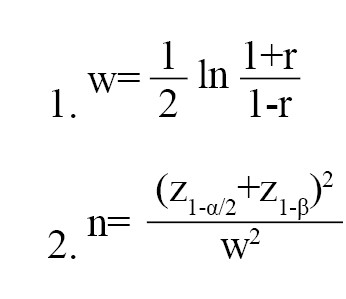
This was a cross-sectional descriptive-correlational study. The statistical population included clients with MS referring to the Tehran MS Association. Continuous sampling was conducted from patients who met the inclusion criteria and had expressed their consent to participate in the study. The sample size was calculated to be 265 at a 95% confidence interval (CI) and 90% test power based on Equations 1 and 2. Also, for the relationship between alexithymia and anxiety to be considered statistically significant, the correlation coefficient was considered equal to 0.2.
The inclusion criteria were as follows: confirmation of the diagnosis of MS (based on medical records), no history of alcohol or drug abuse, age range between 18 to 77 years, no history of psychiatric illness, no diagnosis of any chronic disease other than MS, no major psychiatric disorders up to 5 years before the diagnosis of MS, no severe visual, motor, or cognitive impairments (based on medical records or self-reported), and consent to participate in the study. After providing a complete explanation of the study method and objectives and obtaining written consent, the questionnaires were completed by the subjects in a suitable environment without interruptions, within 20 to 30 minutes.
Data collection instruments
The data collection tool consisted of three parts, including the sociodemographic and disease information form, the Toronto alexithymia scale-20 (TAS-20), and the Beck anxiety inventory (BAI).
The sociodemographic and disease information form included age, gender, marital status, education level, employment status, type of MS, time since the diagnosis of MS, and the individual’s age at the time of MS diagnosis.
The Toronto alexithymia scale-20 (TAS-20) consists of 20 items and three subscales (externally oriented thinking (EOT), difficulty describing feelings (DDF), difficulty identifying feelings (DIF). The scoring of this tool is based on a 5-point Likert scale ranging from 1 (strongly disagree) to 5 (strongly agree). Items 4, 5, 10, 18, and 19 are reverse scored: from 1 (strongly agree) to 5 (strongly disagree). The higher the scores individuals receive on these subscales, the greater their difficulty in expressing and identifying emotions. The total score is obtained by summing the three subscales, with a minimum possible score of 20 and a maximum of 100 (Bagby et al., 1994). Besharat (2007) reported Cronbach’s α for the whole scale and the subscales of DIF, DDF, and EOT as 0.85, 0.82, 0.75, and 0.72, respectively. In this study, Cronbach’s α was as follows: the whole scale =0.916, DIF=0.909, DDF=0.774, and EOT=0.765.
The BAI is a 21-item questionnaire designed to measure the severity of anxiety in adolescents and adults. Each statement reflects one of the common symptoms of anxiety (mental, physical, and panic symptoms). The responses are scored on a 4-point Likert scale (0 to 3) as not at all (0), mild (1), moderate (2), and severe (3). Thus, the final score ranges from zero to 63. The final score interpretation is as follows: 0 to 7 no anxiety or minimal anxiety, 8 to 15 mild anxiety, 16 to 25 moderate anxiety, and 26 to 63 severe anxiety (Beck et al., 1988). The intra-class correlation (ICC) between the two scores obtained from the Persian version of BAI and the clinical expert assessment of the level of anxiety of individuals in the anxious population indicated that the tool has adequate validity (P<0.001, r=0.72). Calculation of the interclass correlation between test re-test scores in the anxious population indicates that the reliability of the BAI in the Iranian population is adequate (r=0.83, P<0.001). The index also showed high internal consistency (Cronbach’s α =0.92) (Kaviani & Mousavi, 2008). In this study, Cronbach’s α for the scale was calculated to be 0.906.
Data analysis
Data analysis was performed using SPSS software, version 16. Statistical analyses were conducted using a combination of descriptive and inferential techniques. Descriptive statistics, including frequency (percentage), and Mean±SD, were employed to characterize the distribution of the research variables. Inferential statistics consisting of the independent samples t-test, one-way ANOVA, and the Pearson correlation coefficients were used to assess the relationship between demographic variables, alexithymia and anxiety. It is worth noting that the significance level for all tests was considered to be P<0.05. Data distribution was found to be normal based on kurtosis and skewness, which were between ‐2 to +2.
Results
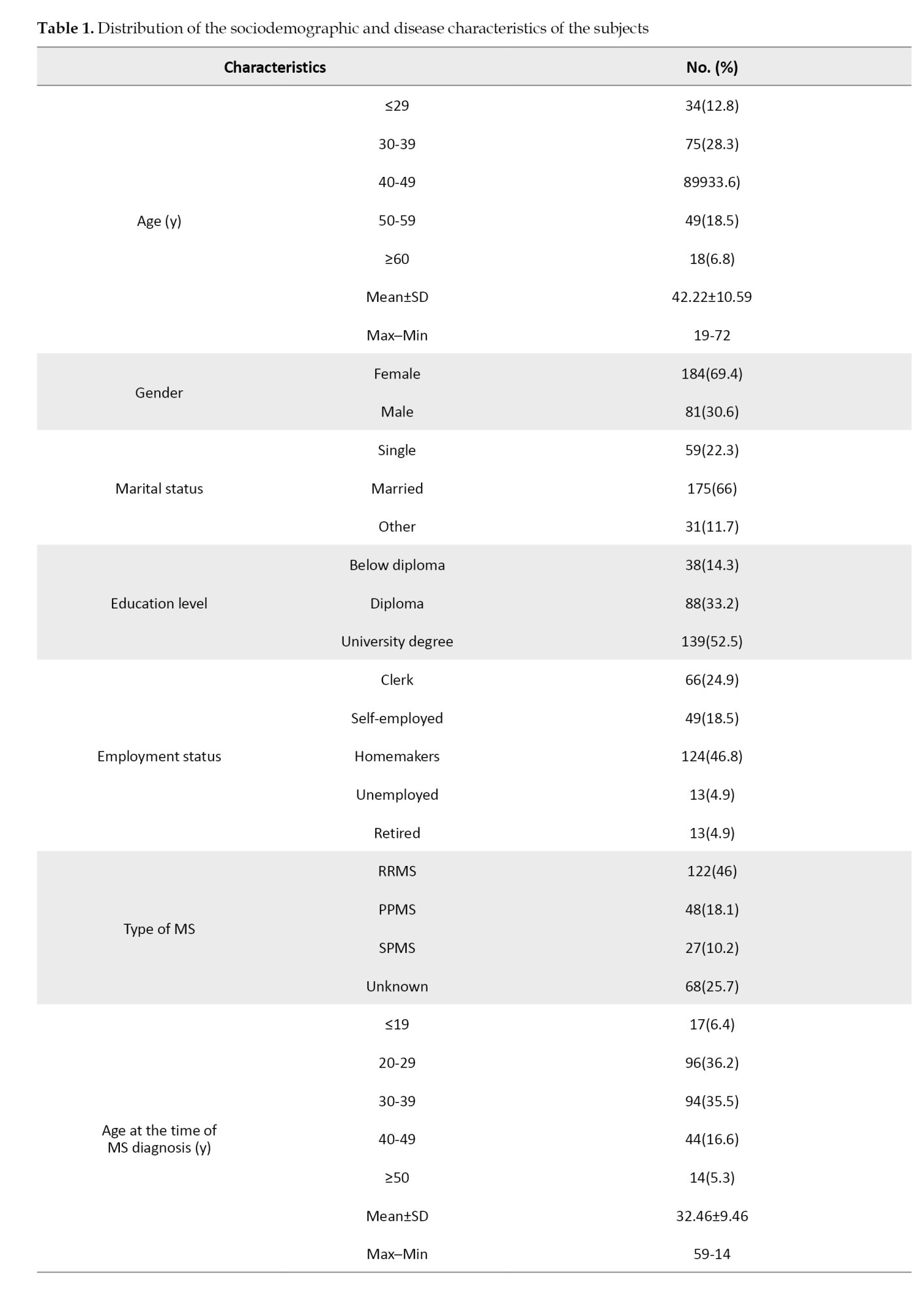
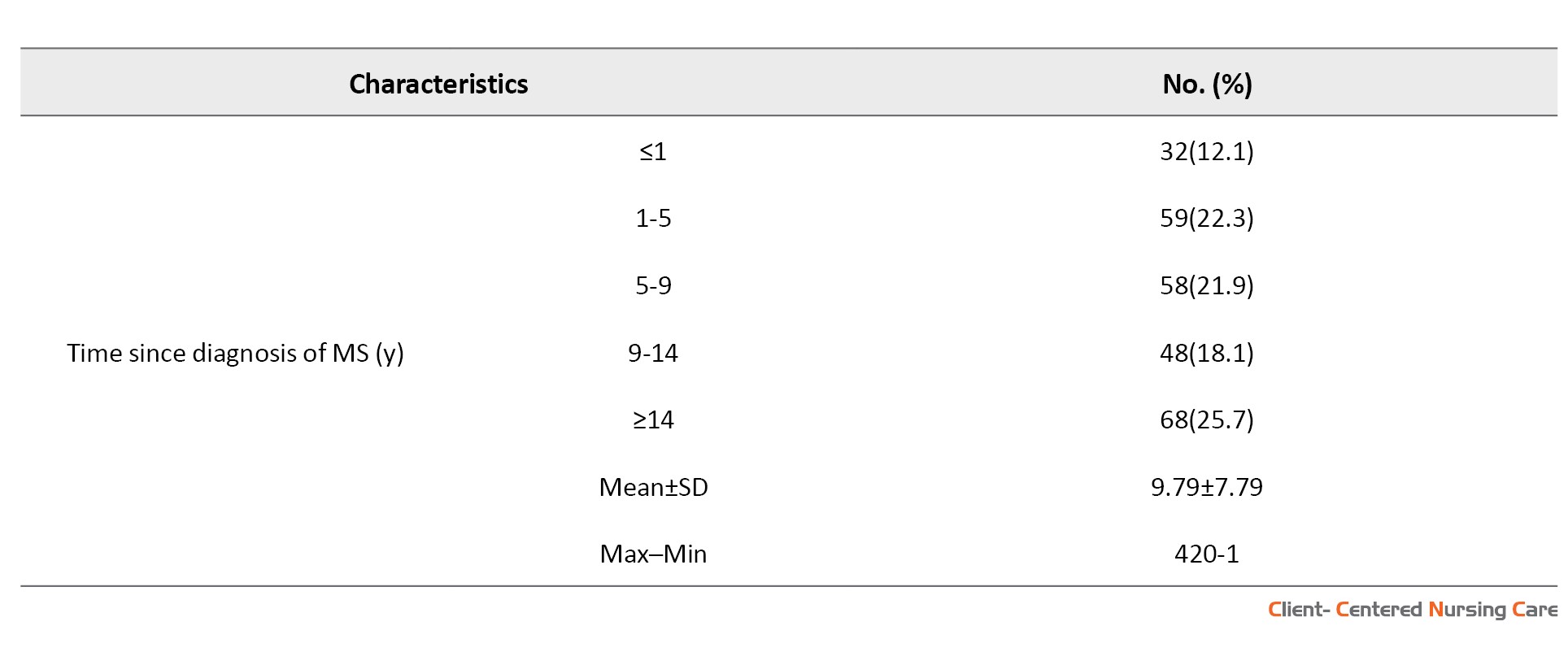
The average age of the studied individuals was 42.22±10.59 years and the highest frequency (33.6%) was observed in the age range of 40 to 49. Most subjects (69.4%) were women. Regarding the type of MS, most subjects (46%) suffered from the relapsing-remitting type. The distribution of patients according to their sociodemographic and disease characteristics is reported in Table 1.
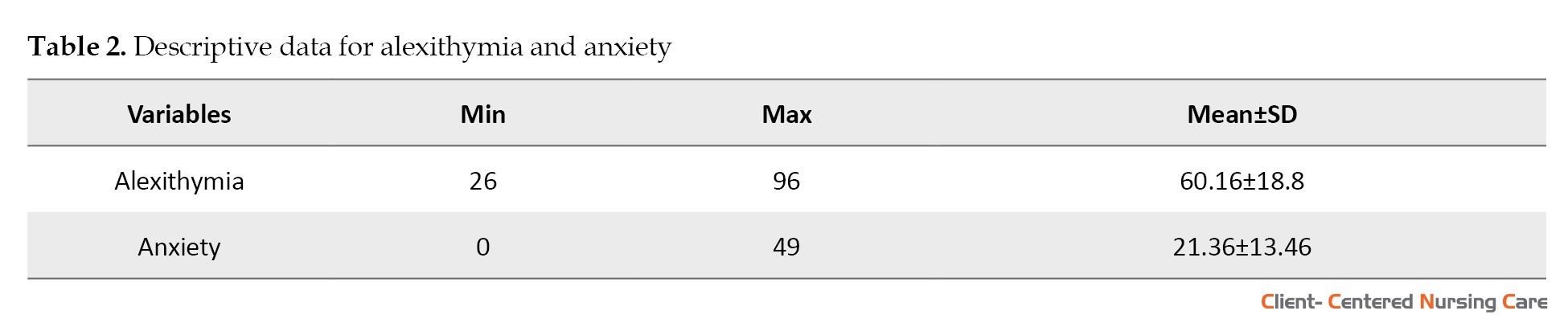
The mean scores for alexithymia and anxiety were 60.16±18.80 and 21.36±13.46, respectively (Table 2).
The majority of the study participants (41.5%) were at a severe level of anxiety, 18.9% had no anxiety or minimal anxiety, 21.9% had a mild level of anxiety, and 17.7% experienced moderate anxiety.
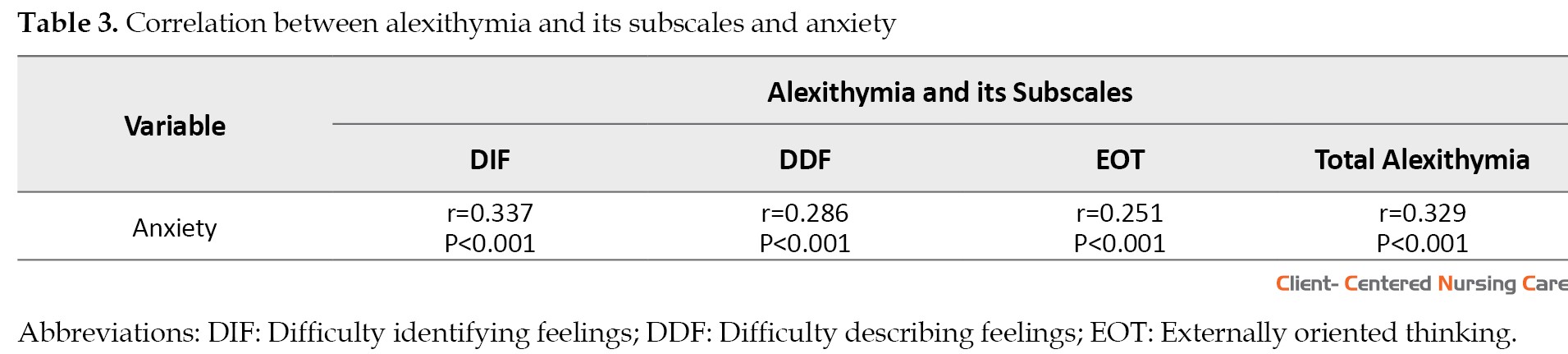
To examine the relationship between alexithymia and its subscales with anxiety, Pearson correlation coefficients was used. There was a significant positive weak correlation between alexithymia and its subscales and anxiety (P<0.001). As the score of alexithymia and its subscales increased, the anxiety score also increased, and vice versa (Table 3).
Relationship between sociodemographic characteristics, alexithymia, and anxiety are shown in Table 4.
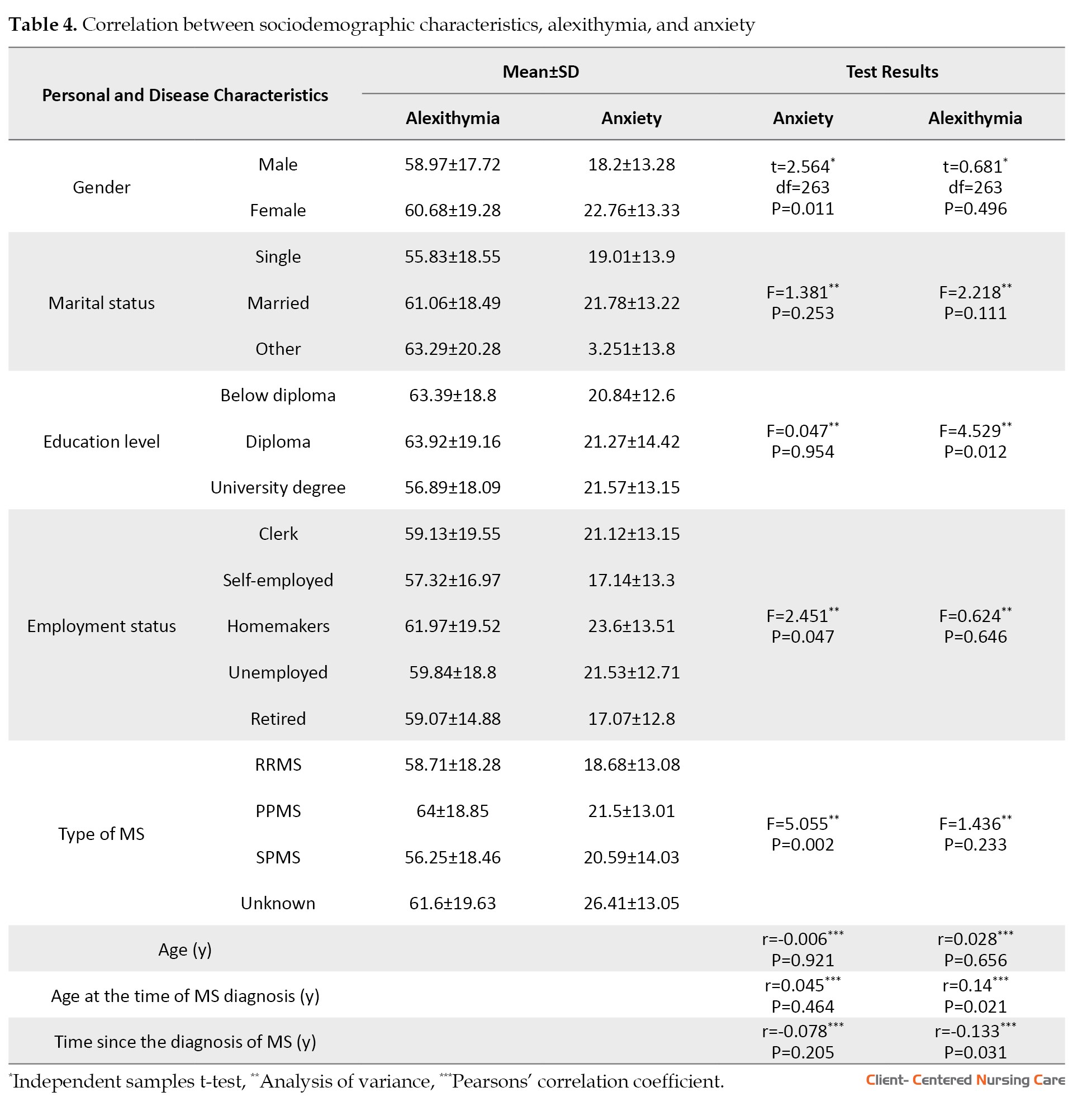
Anxiety had a significant relationship with gender (P=0.011), meaning that anxiety level was higher in women than in men. There was a significant correlation between employment status and anxiety (P=0.047), meaning that anxiety levels were higher in homemakers compared to self-employed workers (P=0.035). A significant association was observed between anxiety and MS type (P=0.02), meaning that anxiety levels were higher in subjects who were unaware of their MS type compared to those with RRMS (P=0.001).
There was a significant relationship between education level and alexithymia (P=0.012), with alexithymia being higher in individuals with diploma-level than those with university degrees (P=0.016). There was a statistically significant and inverse relationship between the time passed since MS diagnosis and alexithymia (P=0.031), meaning that as the time passed since MS diagnosis increased, the score of alexithymia decreased. Additionally, alexithymia had a statistically significant and direct relationship with the age at the time of MS diagnosis (P=0.021), indicating that the higher the age at which MS is diagnosed, the higher the score for alexithymia will be.
Discussion
The results of the study showed that participants experienced a high level of alexithymia. The results of Sonkaya et al. (2019) and Yilmaz et al. (2023) are also in line with the present study.
In the current study, the majority of the subjects exhibited anxiety at a severe level. In a study on individuals with MS, Starynets and Starynets (2021a) demonstrated that the majority of participants (81.3%) experienced severe anxiety. Meanwhile, Gay et al. (2017) reported that the level of anxiety among participants with MS (70.37%) was categorized as mild, which is not consistent with the findings of the present study. The inconsistency between Gay et al. (2017) and our results may be attributed to the smaller sample size of their investigation compared to the present study. In this study, a statistically significant positive correlation was observed between alexithymia and its subscales with anxiety, meaning that as the score of alexithymia and its subscales increases, the level of anxiety also increases, and vice versa. One possible explanation for this finding is that alexithymia is a risk factor for many psychological disorders, because individuals with this condition are severely affected by the physical stresses of emotions that cannot be verbalized. This deficiency hinders emotional regulation and makes successful adaptation challenging (Narimani et al., 2020). Additionally, previous studies have shown that alexithymia positively mediates anxiety (Farris et al., 2019; Kedare & Baliga, 2022; Mohammadbeigi et al., 2023). Consistent with our findings, in a longitudinal study of MS patients, the two subscales of alexithymia (i.e. difficulty describing and difficulty identifying feelings) were correlated with anxiety and depression, while there was no association between externally oriented thinking as the third component of alexithymia and anxiety or depression (Chahraoui et al., 2014). Also, several studies on patients with other diseases have reported a direct relationship between alexithymia and anxiety (Hamaideh, 2017; Fietz et al., 2018; Popović et al., 2018; Okanli et al., 2018; Basharpoor & Jani, 2020). Furthermore, in line with the present research, Aaron et al. (2019) demonstrated that alexithymia is associated with higher levels of anxiety.
In analyzing the relationship between alexithymia and sociodemographic characteristics, the results indicated a significant correlation between education and alexithymia, and alexithymia was more common in people with a diploma than in people with a university degree. Consistent with our findings, higher education is linked to lower levels of alexithymia (Eboni et al., 2018). It can be inferred that improved physical health, better health‐related behavior and an increase in empowerment might be some of the mechanisms through which higher education might have improved mental health (Kondirolli & Sunder, 2022). Additionally, it was shown that alexithymia has a significant inverse statistical correlation with the time passed since MS diagnosis, and a significant positive correlation with age at the time of MS diagnosis. In reviewing other studies Mrabet et al. (2022) reported an inverse association between alexithymia and the time passed since disease diagnosis. Stojanov and Stojanov (2020) reported that higher age, unemployment, and longer duration of disease were associated with higher levels of alexithymia, while Starynets and Starynets (2021b) found no correlation between any of the sociodemographic and disease variables and alexithymia. It seems that people with a longer illness duration have greater use of coping strategies and lower use of behavioral disengagement, which leads them to psychological adjustment (Padhy et al., 2021).
Anxiety was higher in women than in men. Zhang (2023) showed that female MS patients were prone to have an increased rate of anxiety. Potential factors contributing to gender discrepancy include anxiety sensitivity, stress coping style, fluctuations in exposure to reproductive hormones and peptides during the menstrual cycle (Zhang, 2023). Contrary to the present study, Mrabet et al. (2022) reported that female gender is not a risk factor for anxiety. The differences in findings across various studies are likely due to cultural and structural differences in the populations being examined as the studies were conducted in different countries. The current study showed that the level of anxiety was higher in homemakers compared to those with self-employed work. The relationship between different jobs and anxiety is unclear, but numerous studies have explored the relationship between employment status and mental health (Borrelli et al., 2024). It is said that unemployment is associated with increased rates of anxiety and other mental health disorders. This could be because of financial instability and the pressure to establish a career (Borrelli et al., 2024). Additionally, the present study showed that the level of anxiety was higher in individuals who were unaware of the type of MS compared to those with RRMS. Although there is still a lack of updated studies regarding this subject, some investigations demonstrated that RRMS patients are more likely to develop anxiety than those with other types of MS (Peres et al., 2022; Zhang, 2023). It is possible that the higher level of anxiety in people who are unaware of their MS type compared to others in the study sample could be due to their lack of knowledge about MS and their greater ambiguity about the nature of this disease.
The association of alexithymia with anxiety in various populations (Li et al., 2015; Di Tella et al., 2017; Starynets & Starynets, 2021b) may be because alexithymia reduces an individual’s ability to effectively regulate negative emotions (Aaron et al., 2019). Findings from several studies have indicated that anxiety is positively correlated with greater difficulty in verbal expression and identifying emotions (Preece et al., 2020; La Rosa et al., 2022; Oussi et al., 2023). As mentioned, individuals with alexithymia have a lower capacity to adapt appropriately to stressful situations, which leads to anxiety and disrupts the treatment process. At the same time, If diagnosed, alexithymia can be improved through appropriate interventions and it is not a stable psychological trait (Sagar et al., 2021). Therefore, considering the prevalence of this personality trait and its impact on various aspects of an individual’s life, its diagnosis and improvement in individuals with MS can facilitate the treatment process, nursing care and required follow-up.
This study has limitations. First, the use of self-report instruments may make participants’ responses susceptible to social desirability bias. Second, the restriction of the sample to MS clients referred to the Tehran MS Association necessitates caution in generalizing the findings. Finally, given the study’s cross-sectional design, only a correlational relationship between alexithymia and anxiety can be established, rather than a causal one.
Conclusion
This study examined the relationship between alexithymia and anxiety in Individuals with MS. The results indicated that alexithymia and anxiety are common among MS patients. At the same time, a positive correlation was observed between alexithymia and anxiety, which means that as the level of alexithymia increases, the level of anxiety also increases. Given the high prevalence of anxiety and alexithymia in individuals with MS and the impact of alexithymia on psychological disorders and the treatment process, it is essential for the healthcare system to pay more attention to this personality trait and work toward improving it. However, the contradictory results of studies conducted in various populations about the relationship between alexithymia and the development of psychological problems indicate the necessity for further investigations in a larger statistical population and longitudinal studies on the impact of alexithymia on prevalent psychological disorders, such as anxiety in individuals with MS.
Ethical Considerations
Compliance with ethical guidelines
The present study was approved by the Research Ethics Committee of Iran University of Medical Sciences, Tehran, Iran (Code: IR.IUMS.REC.1403.057). It was emphasized that participation in the study is voluntary, the data will be remain confidential, and the subjects can withdraw from the research without any effect on their treatment schedule. Written informed consent was obtained from all the subjects.
Funding
This study was extracted from the master’s thesis of Mohadese Tajik, approved by the Department of Nursing, School of Nursing and Midwifery, Iran University of Medical Sciences, Tehran, Iran.
Authors' contributions
Study design, investigation, data curation and writing the original draft: Mohadese Tajik: Mohadese Tajik; Formal analysis and data interpretation: Shima Haghani; Supervision, review and editing: Mahnaz Seyedoshohadaee; Final approval: All authors.
Conflict of interest
The authors declared no conflict of interest.
Acknowledgments
The authors appreciate the support offered by Iran University of Medical Sciences, the Tehran MS Society which provided access to the participants, as well as the participants who contributed to this study.
References
Aaron, R. V., et al., 2019. Alexithymia in individuals with chronic pain and its relation to pain intensity, physical interference, depression, and anxiety: A systematic review and meta-analysis. Pain, 160(5), pp. 994–1006. [DOI:10.1097/j.pain.0000000000001487] [PMID]
Alpay, P., et al., 2024. The relationship between alexithymia, rumination and binge drinking among university students. Personality and Individual Differences, 223, pp. 112621. [DOI:10.1016/j.paid.2024.112621]
Bagby, R. M., Parker, J. D. & Taylor, G. J., 1994. The twenty-item Toronto Alexithymia Scale-I. Item selection and cross-validation of the factor structure. Journal of Psychosomatic Research, 38(1), pp. 23–32. [DOI:10.1016/0022-3999(94)90005-1] [PMID]
Basharpoor, S. & Jani, S., 2020. [The role of mindfulness and alexithymia in reducing depression and anxiety in women victims of spouse violence (Persian)]. Shenakht Journal of Psychology and Psychiatry, 6(6), pp. 55-65. [DOI:10.29252/shenakht.6.6.55]
Beck, A. T., et al., 1988. An inventory for measuring clinical anxiety: Psychometric properties. Journal of Consulting and Clinical Psychology, 56(6), pp. 893–7. [DOI:10.1037/0022-006X.56.6.893] [PMID]
Besharat, M. A., 2007. Reliability and factorial validity of a Farsi version of the 20-item Toronto Alexithymia Scale with a sample of Iranian students. Psychological Reports, 101(1), pp. 209-20.[DOI:10.2466/pr0.101.1.209-220]
Boeschoten, R. E., et al., 2017. Prevalence of depression and anxiety in Multiple Sclerosis: A systematic review and meta-analysis. Journal of The Neurological Sciences, 372, pp. 331–41. [DOI:10.1016/j.jns.2016.11.067] [PMID]
Borrelli, I., et al., 2024. Depression and Anxiety in Voluntarily Unemployed People: A Systematic Review. La Medicina del Lavoro, 115(5), pp. e2024030. [DOI:10.23749/mdl.v115i5.15850] [PMID]
Briones-Buixassa, L., et al., 2019. A case-control study of psychosocial factors and their relationship to impairment and functionality in multiple sclerosis. Journal of Health Psychology, 24(8), pp. 1023–32. [DOI:10.1177/1359105317692142] [PMID]
Butler, E., Matcham, F. & Chalder, T., 2016. A systematic review of anxiety amongst people with Multiple Sclerosis. Multiple Sclerosis and Related Disorders, 10, pp. 145–68. [DOI:10.1016/j.msard.2016.10.003] [PMID]
Chahraoui, K., et al., 2014. Longitudinal study of alexithymia and multiple sclerosis. Brain and Behavior, 4(1), pp. 75-82. [DOI:10.1002/brb3.194] [PMID]
Chalah, M. A. & Ayache, S. S., 2017. Alexithymia in multiple sclerosis: A systematic review of literature. Neuropsychologia, 104, pp. 31-47. [DOI:10.1016/j.neuropsychologia.2017.07.034] [PMID]
Chalah, M. A., et al., 2020. Corticospinal inhibition and alexithymia in multiple sclerosis patients-An exploratory study. Multiple Sclerosis and Related Disorders, 41, pp. 102039. [DOI:10.1016/j.msard.2020.102039] [PMID]
Christopoulos, A. L., Poulios, A. & Pavlopoulos, V., 2020. The relationship between dimensions of mental health and alexithymia in multiple sclerosis patients. Multiple Sclerosis and Related Disorders, 46, pp. 102525. [DOI:10.1016/j.msard.2020.102525] [PMID]
Corallo, F., et al., 2019. A complex relation between depression and multiple sclerosis: A descriptive review. Neurological Sciences, 40(8), pp. 1551–8. [DOI:10.1007/s10072-019-03889-1] [PMID]
Di Tella, M., et al., 2017. Pain experience in fibromyalgia syndrome: The role of alexithymia and psychological distress. Journal of Affective Disorders, 208, pp. 87–93. [DOI:10.1016/j.jad.2016.08.080] [PMID]
Dulau, C., et al., 2017. Social cognition according to cognitive impairment in different clinical phenotypes of multiple sclerosis. Journal of Neurology, 264(4), pp. 740–8. [DOI:10.1007/s00415-017-8417-z] [PMID]
Eboni, A. C. B., et al., 2018. High levels of alexithymia in patients with multiple sclerosis. Dementia & Neuropsychologia, 12(2), pp. 212–5. [DOI:10.1590/1980-57642018dn12-020015] [PMID]
Eftekhari Moghaddam, N., Shahbazi, M. & Kazemian Moghaddam, K., 2024. Marital commitment mediates the effects of forgiveness and alexithymia on marriage quality in nursing students. Journal of Client-Centered Nursing Care, 10(4), pp. 287-96. [DOI:10.32598/JCCNC.10.4.658.1]
Farris, S. G., et al., 2019. Anxiety sensitivity as a risk indicator for anxiety, depression, and headache severity in women with migraine. Headache, 59(8), pp. 1212–20. [DOI:10.1111/head.13568] [PMID]
Fietz, J., Valencia, N. & Silani, G., 2018. Alexithymia and autistic traits as possible predictors for traits related to depression, anxiety, and stress: A multivariate statistical approach. Journal of Evaluation in Clinical Practice, 24(4), pp. 901–8. [DOI:10.1111/jep.12961] [PMID]
Gay, M. C., et al., 2017. Anxiety, emotional processing and depression in people with multiple sclerosis. BMC Neurology, 17(1), pp. 43. [DOI:10.1186/s12883-017-0803-8] [PMID]
Hamaideh, S., 2018. Alexithymia among Jordanian university students: Its prevalence and correlates with depression, anxiety, stress, and demographics. Perspectives in Psychiatric Care, 54(2), pp. 274–80. [DOI:10.1111/ppc.12234] [PMID]
Hoehne, C., Stuve, O. & Stopschinski, B. E., 2025. Tau in multiple sclerosis: a review of therapeutic potential. Current Treatment Options in Neurology, 27, pp. 14. [DOI:10.1007/s11940-024-00820-8]
Hosseininezhad, M., et al., 2021. Prevalence and incidence of multiple sclerosis (MS) in Guilan province. Journal of Shahid Sadoughi University of Medical Sciences. [DOI:10.18502/ssu.v29i1.5887]
Kaviani, H. & Mousavi, A. 2008. [Psychometric properties of the Persian version of beck anxiety inventory (BAI) (Persian)]. Tehran University Medical Journal. 66 (2), pp. 136-140. [Link]
Kedare, J. S. & Baliga, S. P., 2022. Management of psychiatric disorders in patients of epilepsy. Indian Journal of Psychiatry, 64(Suppl 2), pp. S319–29. [DOI:10.4103/indianjpsychiatry.indianjpsychiatry_17_22] [PMID]
Klineova, S. & Lublin, F. D., 2018. Clinical course of multiple sclerosis. Cold Spring Harbor Perspectives in Medicine, 8(9), pp. a028928. [DOI:10.1101/cshperspect.a028928] [PMID]
Kondirolli, F. & Sunder, N., 2022. Mental health effects of education. Health Economics, 31 Suppl 2(Suppl 2), pp. 22–39. [DOI:10.1002/hec.4565] [PMID]
La Rosa, V. L., et al., 2022. Traumatic distress, alexithymia, dissociation, and risk of addiction during the first wave of covid-19 in italy: results from a cross-sectional online survey on a non-clinical adult sample. International Journal of Mental Health and Addiction, 20(5), pp. 3128–44. [DOI:10.1007/s11469-021-00569-0] [PMID]
Li, S., et al., 2015. The association between alexithymia as assessed by the 20-item Toronto alexithymia scale and depression: A meta-analysis. Psychiatry Research, 227(1), pp. 1–9. [DOI:10.1016/j.psychres.2015.02.006] [PMID]
Luminet, O., Bagby, R. M. & Taylor, G. J., 2018. Alexithymia: Advances in research, theory, and clinical practice. Cambridge: Cambridge University Press. [DOI:10.1017/9781108241595]
MCGINLEY, M. P., Goldschmidt, C. H. & Rae-Grant, A. D., 2021. Diagnosis and treatment of multiple sclerosis: A review. JAMA, 325(8), pp. 765–79. [DOI:10.1001/jama.2020.26858] [PMID]
Miclea, A., et al., 2019. Age‐dependent variation of female preponderance across different phenotypes of multiple sclerosis: A retrospective cross‐sectional study. CNS Neuroscience & Therapeutics, 25(4), pp. 527–31. [DOI:10.1111/cns.13083] [PMID]
Mohammadbeigi, M., et al., 2023. [Presenting the structural model of depression, anxiety and stress based on childhood trauma and perceived social support with the mediation of alexithymia in patients with epilepsy (Persian)]. Journal of Islamic Lifestyle Centered on Health, 7(1), pp. 275-87. [Link]
Mosson, M., Peter, L. & Montel, S., 2014. [Impact of physical activity level on alexithymia and coping strategies in an over-40 multiple sclerosis population: A pilot study (French)]. Revue Neurologique, 170(1), pp. 19–25. [DOI:10.1016/j.neurol.2013.04.009] [PMID]
Mrabet, S., et al., 2022. Depression, anxiety and alexithymia in Tunisian patients with multiple sclerosis. Multiple Sclerosis and Related Disorders, 59, pp. 103596. [DOI:10.1016/j.msard.2022.103596]
Narimani, M., Jani, S. & Rezaei, R., 2020. [The role of alexithymia and mindfulness in predicting depression and anxiety in women with cancer (Persian)]. Shenakht Journal of Psychology and Psychiatry, 7(1), pp. 78-89. [DOI:10.52547/shenakht.7.1.78]
Okanli, A., et al., 2018. Alexithymia and perception of illness in patients with cancer. European Journal of Cancer Care, 27(3), pp. e12839. [DOI:10.1111/ecc.12839] [PMID]
Oussi, A., Hamid, K. & Bouvet, C., 2023. Managing emotions in panic disorder: A systematic review of studies related to emotional intelligence, alexithymia, emotion regulation, and coping. Journal of Behavior Therapy and Experimental Psychiatry, 79, pp. 101835. [DOI:10.1016/j.jbtep.2023.101835] [PMID]
Özkan, A., et al., 2016. Affective temperament profiles in patients with multiple sclerosis: Association with mood disorders. Noro Psikiyatri Arsivi, 53(4), pp. 311–6. [DOI:10.5152/npa.2015.12393] [PMID]
Padhy, M., Hariharan, M., Mukherjee, O., Mutnury, S. L. & Anand, V. 2021. Effect of illness duration and gender on coping skills deficiency among chronic illness patients. International Journal of Advanced Multidisciplinary Research, 8, pp. 13-25. [Link]
Peres, D. S., et al., 2022. Prevalence of depression and anxiety in the different clinical forms of multiple sclerosis and associations with disability: A systematic review and meta-analysis. Brain, Behavior, & Immunity-Health, 24, pp. 100484. [DOI:10.1016/j.bbih.2022.100484] [PMID]
Pham, T., et al., 2018. The prevalence of anxiety and associated factors in persons with multiple sclerosis. Multiple Sclerosis and Related Disorders, 19, pp. 35-9. [DOI:10.1016/j.msard.2017.11.003] [PMID]
Pinna, F., et al., 2020. The impact of alexithymia on treatment response in psychiatric disorders: A systematic review. Frontiers in Psychiatry, 11, pp. 311. [DOI:10.3389/fpsyt.2020.00311] [PMID]
Popović, D., Žipovski, J., Brajković, L. & Jelinčić, K., 2018. Depression and anxiety among women suffering from breast cancer: role of individual’s defense mechanisms and alexithymia. Paper presented at: The 20th World Congress on Psycho-oncology and Psychosocial Academy-Optimizing psychosocial supportive services in cancer care. Hong Kong, china, 19-30 October 2018. [Link]
Prakash, R. S., et al., 2019. Emotion dysregulation in multiple sclerosis: Impact on symptoms of depression and anxiety. Multiple Sclerosis and Related Disorders, 36, pp. 101399. [DOI:10.1016/j.msard.2019.101399] [PMID]
Preece, D., et al., 2020. Do self-report measures of alexithymia measure alexithymia or general psychological distress? A factor analytic examination across five samples. Personality and Individual Differences, 155, pp. Multiple sclerosis and related disorders, 36, pp. 101399. [DOI:10.1016/j.paid.2019.109721]
Quinto, R. M., et al., 2022. The relationship between alexithymia and mental health is fully mediated by anxiety and depression in patients with psoriasis. International Journal of Environmental Research and Public Health, 19(6), pp. 3649. [DOI:10.3390/ijerph19063649] [PMID]
Raimo, S., et al., 2017. Neuropsychological correlates of theory of mind deficits in patients with multiple sclerosis. Neuropsychology, 31(7), pp. 811–21. [DOI:10.1037/neu0000372] [PMID]
Safarzadeh, S. & Sevari, K., 2020. Implementation of acceptance and commitment therapeutic theory (ACT) on anxiety personality trait, alexithymia, and adherence to treatment in women with breast cancer. Clinical Psychology and Personality, 18(1), pp. 17-27.
Sagar, R., et al., 2021. Relationship between alexithymia and depression: A narrative review. Indian Journal of Psychiatry, 63(2), pp. 127–33. [DOI:10.4103/psychiatry.indianjpsychiatry_738_19] [PMID]
Shafiee, A., et al., 2023. The prevalence of depression and anxiety among Iranian people with multiple sclerosis: A systematic review and meta-analysis. Multiple Sclerosis and Related Disorders, 78, pp. 104922. [DOI:10.1016/j.msard.2023.104922] [PMID]
Solaro, C., Gamberini, G. & Masuccio, F. G., 2018. Depression in multiple sclerosis: epidemiology, aetiology, diagnosis and treatment. CNS Drugs, 32(2), pp. 117–33. [DOI:10.1007/s40263-018-0489-5] [PMID]
Soldan, S. S. & Lieberman, P. M., 2023. Epstein-Barr virus and multiple sclerosis. Nature Reviews. Microbiology, 21(1), pp. 51–64.[DOI:10.1038/s41579-022-00770-5] [PMID]
Sonkaya, A. R., Unal, E. & Emir, C., 2019. The relationship between alexithymia and depression in patients with multiple sclerosis. Eurasian Journal of Medical Investigation, 3(2), pp. 169-72. [DOI:10.14744/ejmi.2019.41571]
Starynets, N. & Starynets, G. 2021a. Alexithymia in multiple sclerosis. Journal of Neurology & Stroke, 11(3), pp. 91-5. [DOI:10.15406/jnsk.2021.11.00462]
Stojanov, J. & Stojanov, A., 2020. A cross-sectional study of alexithymia in patients with relapse remitting form of multiple sclerosis. Journal of Postgraduate Medicine, 66(1), pp. 23–7. [DOI:10.4103/jpgm.JPGM_499_19] [PMID]
Sutton, T., 2017. Multiple sclerosis: perspectives, clinical aspects and cognitive challenges. Waltham: Nova Biomedical.
Thomopoulos, E. A., 2021. The Effects of matched and mismatched social support on anxious and depressive symptoms in women with multiple sclerosis [PhD dissertation]. New Jersey: Seton Hall University. [Link]
Voskuhl, R. R., 2020. The effect of sex on multiple sclerosis risk and disease progression. Multiple Sclerosis (Houndmills, Basingstoke, England), 26(5), pp. 554–60. [DOI:10.1177/1352458519892491] [PMID]
Walton, C., et al., 2020. Rising prevalence of multiple sclerosis worldwide: Insights from the Atlas of MS. Multiple Sclerosis (Houndmills, Basingstoke, England), 26(14), pp. 1816–21. [DOI:10.1177/1352458520970841] [PMID]
Yilmaz, F. T., Sabanciogullari, S. & Sevimligul, G., 2023. Alexithymia and coping with stress in patients with multiple sclerosis: A comparative study. The Journal of Neuroscience Nursing: Journal of the American Association of Neuroscience Nurses, 55(1), pp. 24–9. [DOI:10.1097/JNN.0000000000000684] [PMID]
Zhang, X., 2023. The prevalence and risk factors of anxiety in multiple sclerosis: A systematic review and meta-analysis. Frontiers in Neuroscience, 74, 104678. [DOI:10.3389/fnins.2023.1120541] [PMID]
Multiple sclerosis (MS) is a chronic and unpredictable disease (Sutton, 2017), in which the immune system attacks the central nervous system (CNS)(McGinley et al., 2021). It is the most common demyelinating disease of the CNS (Thomopoulos, 2021). MS is characterized by distinct phenotypes, including relapsing-remitting MS (RRMS), primary progressive MS (PPMS), secondary progressive MS (SPMS), and progressive-relapsing MS (PRMS) (Hoehne et al., 2025). The most common type is RRMS, which is marked by episodes of fully or partially reversible deficits in the CNS. However, it may advance over time to SPMS, characterized by progressive accumulation of neurological disability in the absence of clinical relapses (Klineova & Lublin, 2018). A smaller portion of MS patients- about 10-15%- show a PPMS form from the onset of the disease (Hoehne et al., 2025).
Approximately 2.8 million people worldwide suffer from MS (Soldan & Lieberman, 2023). A rising prevalence of MS has been observed throughout the Middle East and North African area, as well as in the Russian Federation, Canada, Australia, and various European nations (Walton et al., 2020). Studies conducted in Iran have reported the prevalence of MS to be 29.3 per 100,000 individuals (Shafiee et al., 2023). The incidence of MS in Iran has significantly increased in recent years (Hosseininezhad et al., 2021) and diagnosis often occurs in the late 20s and early 30s (Sutton, 2017; Miclea et al., 2019). Additionally, the incidence of MS is higher in women and they are approximately two to three times more likely to develop MS than men (Voskuhl, 2020). Demyelination-induced lesions in the nervous system are associated with cognitive and emotional disorders commonly seen in MS (Raimo et al., 2017). Patients with MS have been shown to exhibit higher levels of psychological disorders than those without the disease (Chalah & Ayache, 2017; Solaro et al., 2018; Corallo et al., 2019; Christopoulos et al., 2020). Psychological disorders, particularly anxiety and alexithymia, are prevalent among MS patients (Sonkaya et al., 2019; Mrabet et al., 2022). The prevalence of anxiety in the MS population ranges from 22 to 57% (Butler et al., 2016; Boeschoten et al., 2017; Pham et al., 2018) and has been reported to be 51% in the Iranian population with MS (Shafiee et al., 2023).
In MS, emotional distress associated with this disease can lead to maladaptive coping mechanisms, including inhibiting emotional expression (Christopoulos et al., 2020). Alexithymia is a personality trait (Chalah, 2017 a), characterized by difficulty in identifying and describing feelings, limited imagination, and an external thinking style, which is associated with various psychological and physical disorders (Luminet et al., 2018; Christopoulos et al., 2020). The prevalence of alexithymia in the MS population is estimated to be between 10% and 53%, compared with a prevalence of 10% to 20.7% in the general population (Chalah & Ayache, 2017; Sonkaya et al., 2019; Stojanov & Stojanov, 2020).
Alexithymia leads to resistance against the treatment process (Pinna et al., 2020) and impaired seeking of necessary medical care (Sagar et al., 2021). At the same time, these individuals have a lower capacity to adapt to stressful situations, which, in addition to disrupting the treatment process (Safarzadeh & Sevari, 2020), can also cause anxiety (Quinto et al., 2022). People who have deficits in identifying and appropriately using their emotions may not be able to use their emotional world, leading to decreased positive emotions, such as happiness and increased anxiety (Eftekhari Moghaddam et al., 2024). The inability to differentiate between emotional states and the lack of insight into the causes of various emotional states in alexithymia, are significant predictors of various psychological problems, such as anxiety (Alpay et al., 2024). Several studies have investigated alexithymia and its relationship with anxiety in patients with MS; however, the results have been contradictory (Chalah & Ayache, 2017; Eboni et al., 2018; Briones-Buixassa et al., 2019). Research confirms significant relationships between alexithymia, psychological disorders, and MS (Özkan et al., 2016; Chalah & Ayache, 2017; Eboni et al., 2018; Briones-Buixassa et al., 2019; Stojanov & Stojanov, 2020; Christopoulos et al., 2020). Anxiety has been positively associated with alexithymia in some studies (Chahraoui et al., 2014; Mosson et al., 2014; Gay et al., 2017; Eboni et al., 2018; Briones-Buixassa et al., 2019), but in other studies, the results were contradictory (Dulau et al., 2017; Prakash et al., 2019) or no significant association was found between alexithymia and anxiety (Chalah et al., 2020).
Given the annual increase in the MS population and the necessity of considering their mental health status in the treatment and care process, it is essential to investigate the presence of alexithymia and associated psychological disorders in individuals with MS during medical care (Eboni et al., 2018). As mentioned, alexithymia is recognized as a precursor to anxiety in individuals; however, the findings from studies examining this relationship in people with MS are very contradictory. This study investigated alexithymia and its relationship with anxiety in individuals with MS in Iran.
Materials and Methods
Design, setting, and sample
This was a cross-sectional descriptive-correlational study. The statistical population included clients with MS referring to the Tehran MS Association. Continuous sampling was conducted from patients who met the inclusion criteria and had expressed their consent to participate in the study. The sample size was calculated to be 265 at a 95% confidence interval (CI) and 90% test power based on Equations 1 and 2. Also, for the relationship between alexithymia and anxiety to be considered statistically significant, the correlation coefficient was considered equal to 0.2.
The inclusion criteria were as follows: confirmation of the diagnosis of MS (based on medical records), no history of alcohol or drug abuse, age range between 18 to 77 years, no history of psychiatric illness, no diagnosis of any chronic disease other than MS, no major psychiatric disorders up to 5 years before the diagnosis of MS, no severe visual, motor, or cognitive impairments (based on medical records or self-reported), and consent to participate in the study. After providing a complete explanation of the study method and objectives and obtaining written consent, the questionnaires were completed by the subjects in a suitable environment without interruptions, within 20 to 30 minutes.
Data collection instruments
The data collection tool consisted of three parts, including the sociodemographic and disease information form, the Toronto alexithymia scale-20 (TAS-20), and the Beck anxiety inventory (BAI).
The sociodemographic and disease information form included age, gender, marital status, education level, employment status, type of MS, time since the diagnosis of MS, and the individual’s age at the time of MS diagnosis.
The Toronto alexithymia scale-20 (TAS-20) consists of 20 items and three subscales (externally oriented thinking (EOT), difficulty describing feelings (DDF), difficulty identifying feelings (DIF). The scoring of this tool is based on a 5-point Likert scale ranging from 1 (strongly disagree) to 5 (strongly agree). Items 4, 5, 10, 18, and 19 are reverse scored: from 1 (strongly agree) to 5 (strongly disagree). The higher the scores individuals receive on these subscales, the greater their difficulty in expressing and identifying emotions. The total score is obtained by summing the three subscales, with a minimum possible score of 20 and a maximum of 100 (Bagby et al., 1994). Besharat (2007) reported Cronbach’s α for the whole scale and the subscales of DIF, DDF, and EOT as 0.85, 0.82, 0.75, and 0.72, respectively. In this study, Cronbach’s α was as follows: the whole scale =0.916, DIF=0.909, DDF=0.774, and EOT=0.765.
The BAI is a 21-item questionnaire designed to measure the severity of anxiety in adolescents and adults. Each statement reflects one of the common symptoms of anxiety (mental, physical, and panic symptoms). The responses are scored on a 4-point Likert scale (0 to 3) as not at all (0), mild (1), moderate (2), and severe (3). Thus, the final score ranges from zero to 63. The final score interpretation is as follows: 0 to 7 no anxiety or minimal anxiety, 8 to 15 mild anxiety, 16 to 25 moderate anxiety, and 26 to 63 severe anxiety (Beck et al., 1988). The intra-class correlation (ICC) between the two scores obtained from the Persian version of BAI and the clinical expert assessment of the level of anxiety of individuals in the anxious population indicated that the tool has adequate validity (P<0.001, r=0.72). Calculation of the interclass correlation between test re-test scores in the anxious population indicates that the reliability of the BAI in the Iranian population is adequate (r=0.83, P<0.001). The index also showed high internal consistency (Cronbach’s α =0.92) (Kaviani & Mousavi, 2008). In this study, Cronbach’s α for the scale was calculated to be 0.906.
Data analysis
Data analysis was performed using SPSS software, version 16. Statistical analyses were conducted using a combination of descriptive and inferential techniques. Descriptive statistics, including frequency (percentage), and Mean±SD, were employed to characterize the distribution of the research variables. Inferential statistics consisting of the independent samples t-test, one-way ANOVA, and the Pearson correlation coefficients were used to assess the relationship between demographic variables, alexithymia and anxiety. It is worth noting that the significance level for all tests was considered to be P<0.05. Data distribution was found to be normal based on kurtosis and skewness, which were between ‐2 to +2.
Results
The average age of the studied individuals was 42.22±10.59 years and the highest frequency (33.6%) was observed in the age range of 40 to 49. Most subjects (69.4%) were women. Regarding the type of MS, most subjects (46%) suffered from the relapsing-remitting type. The distribution of patients according to their sociodemographic and disease characteristics is reported in Table 1.
The mean scores for alexithymia and anxiety were 60.16±18.80 and 21.36±13.46, respectively (Table 2).
The majority of the study participants (41.5%) were at a severe level of anxiety, 18.9% had no anxiety or minimal anxiety, 21.9% had a mild level of anxiety, and 17.7% experienced moderate anxiety.
To examine the relationship between alexithymia and its subscales with anxiety, Pearson correlation coefficients was used. There was a significant positive weak correlation between alexithymia and its subscales and anxiety (P<0.001). As the score of alexithymia and its subscales increased, the anxiety score also increased, and vice versa (Table 3).
Relationship between sociodemographic characteristics, alexithymia, and anxiety are shown in Table 4.
Anxiety had a significant relationship with gender (P=0.011), meaning that anxiety level was higher in women than in men. There was a significant correlation between employment status and anxiety (P=0.047), meaning that anxiety levels were higher in homemakers compared to self-employed workers (P=0.035). A significant association was observed between anxiety and MS type (P=0.02), meaning that anxiety levels were higher in subjects who were unaware of their MS type compared to those with RRMS (P=0.001).
There was a significant relationship between education level and alexithymia (P=0.012), with alexithymia being higher in individuals with diploma-level than those with university degrees (P=0.016). There was a statistically significant and inverse relationship between the time passed since MS diagnosis and alexithymia (P=0.031), meaning that as the time passed since MS diagnosis increased, the score of alexithymia decreased. Additionally, alexithymia had a statistically significant and direct relationship with the age at the time of MS diagnosis (P=0.021), indicating that the higher the age at which MS is diagnosed, the higher the score for alexithymia will be.
Discussion
The results of the study showed that participants experienced a high level of alexithymia. The results of Sonkaya et al. (2019) and Yilmaz et al. (2023) are also in line with the present study.
In the current study, the majority of the subjects exhibited anxiety at a severe level. In a study on individuals with MS, Starynets and Starynets (2021a) demonstrated that the majority of participants (81.3%) experienced severe anxiety. Meanwhile, Gay et al. (2017) reported that the level of anxiety among participants with MS (70.37%) was categorized as mild, which is not consistent with the findings of the present study. The inconsistency between Gay et al. (2017) and our results may be attributed to the smaller sample size of their investigation compared to the present study. In this study, a statistically significant positive correlation was observed between alexithymia and its subscales with anxiety, meaning that as the score of alexithymia and its subscales increases, the level of anxiety also increases, and vice versa. One possible explanation for this finding is that alexithymia is a risk factor for many psychological disorders, because individuals with this condition are severely affected by the physical stresses of emotions that cannot be verbalized. This deficiency hinders emotional regulation and makes successful adaptation challenging (Narimani et al., 2020). Additionally, previous studies have shown that alexithymia positively mediates anxiety (Farris et al., 2019; Kedare & Baliga, 2022; Mohammadbeigi et al., 2023). Consistent with our findings, in a longitudinal study of MS patients, the two subscales of alexithymia (i.e. difficulty describing and difficulty identifying feelings) were correlated with anxiety and depression, while there was no association between externally oriented thinking as the third component of alexithymia and anxiety or depression (Chahraoui et al., 2014). Also, several studies on patients with other diseases have reported a direct relationship between alexithymia and anxiety (Hamaideh, 2017; Fietz et al., 2018; Popović et al., 2018; Okanli et al., 2018; Basharpoor & Jani, 2020). Furthermore, in line with the present research, Aaron et al. (2019) demonstrated that alexithymia is associated with higher levels of anxiety.
In analyzing the relationship between alexithymia and sociodemographic characteristics, the results indicated a significant correlation between education and alexithymia, and alexithymia was more common in people with a diploma than in people with a university degree. Consistent with our findings, higher education is linked to lower levels of alexithymia (Eboni et al., 2018). It can be inferred that improved physical health, better health‐related behavior and an increase in empowerment might be some of the mechanisms through which higher education might have improved mental health (Kondirolli & Sunder, 2022). Additionally, it was shown that alexithymia has a significant inverse statistical correlation with the time passed since MS diagnosis, and a significant positive correlation with age at the time of MS diagnosis. In reviewing other studies Mrabet et al. (2022) reported an inverse association between alexithymia and the time passed since disease diagnosis. Stojanov and Stojanov (2020) reported that higher age, unemployment, and longer duration of disease were associated with higher levels of alexithymia, while Starynets and Starynets (2021b) found no correlation between any of the sociodemographic and disease variables and alexithymia. It seems that people with a longer illness duration have greater use of coping strategies and lower use of behavioral disengagement, which leads them to psychological adjustment (Padhy et al., 2021).
Anxiety was higher in women than in men. Zhang (2023) showed that female MS patients were prone to have an increased rate of anxiety. Potential factors contributing to gender discrepancy include anxiety sensitivity, stress coping style, fluctuations in exposure to reproductive hormones and peptides during the menstrual cycle (Zhang, 2023). Contrary to the present study, Mrabet et al. (2022) reported that female gender is not a risk factor for anxiety. The differences in findings across various studies are likely due to cultural and structural differences in the populations being examined as the studies were conducted in different countries. The current study showed that the level of anxiety was higher in homemakers compared to those with self-employed work. The relationship between different jobs and anxiety is unclear, but numerous studies have explored the relationship between employment status and mental health (Borrelli et al., 2024). It is said that unemployment is associated with increased rates of anxiety and other mental health disorders. This could be because of financial instability and the pressure to establish a career (Borrelli et al., 2024). Additionally, the present study showed that the level of anxiety was higher in individuals who were unaware of the type of MS compared to those with RRMS. Although there is still a lack of updated studies regarding this subject, some investigations demonstrated that RRMS patients are more likely to develop anxiety than those with other types of MS (Peres et al., 2022; Zhang, 2023). It is possible that the higher level of anxiety in people who are unaware of their MS type compared to others in the study sample could be due to their lack of knowledge about MS and their greater ambiguity about the nature of this disease.
The association of alexithymia with anxiety in various populations (Li et al., 2015; Di Tella et al., 2017; Starynets & Starynets, 2021b) may be because alexithymia reduces an individual’s ability to effectively regulate negative emotions (Aaron et al., 2019). Findings from several studies have indicated that anxiety is positively correlated with greater difficulty in verbal expression and identifying emotions (Preece et al., 2020; La Rosa et al., 2022; Oussi et al., 2023). As mentioned, individuals with alexithymia have a lower capacity to adapt appropriately to stressful situations, which leads to anxiety and disrupts the treatment process. At the same time, If diagnosed, alexithymia can be improved through appropriate interventions and it is not a stable psychological trait (Sagar et al., 2021). Therefore, considering the prevalence of this personality trait and its impact on various aspects of an individual’s life, its diagnosis and improvement in individuals with MS can facilitate the treatment process, nursing care and required follow-up.
This study has limitations. First, the use of self-report instruments may make participants’ responses susceptible to social desirability bias. Second, the restriction of the sample to MS clients referred to the Tehran MS Association necessitates caution in generalizing the findings. Finally, given the study’s cross-sectional design, only a correlational relationship between alexithymia and anxiety can be established, rather than a causal one.
Conclusion
This study examined the relationship between alexithymia and anxiety in Individuals with MS. The results indicated that alexithymia and anxiety are common among MS patients. At the same time, a positive correlation was observed between alexithymia and anxiety, which means that as the level of alexithymia increases, the level of anxiety also increases. Given the high prevalence of anxiety and alexithymia in individuals with MS and the impact of alexithymia on psychological disorders and the treatment process, it is essential for the healthcare system to pay more attention to this personality trait and work toward improving it. However, the contradictory results of studies conducted in various populations about the relationship between alexithymia and the development of psychological problems indicate the necessity for further investigations in a larger statistical population and longitudinal studies on the impact of alexithymia on prevalent psychological disorders, such as anxiety in individuals with MS.
Ethical Considerations
Compliance with ethical guidelines
The present study was approved by the Research Ethics Committee of Iran University of Medical Sciences, Tehran, Iran (Code: IR.IUMS.REC.1403.057). It was emphasized that participation in the study is voluntary, the data will be remain confidential, and the subjects can withdraw from the research without any effect on their treatment schedule. Written informed consent was obtained from all the subjects.
Funding
This study was extracted from the master’s thesis of Mohadese Tajik, approved by the Department of Nursing, School of Nursing and Midwifery, Iran University of Medical Sciences, Tehran, Iran.
Authors' contributions
Study design, investigation, data curation and writing the original draft: Mohadese Tajik: Mohadese Tajik; Formal analysis and data interpretation: Shima Haghani; Supervision, review and editing: Mahnaz Seyedoshohadaee; Final approval: All authors.
Conflict of interest
The authors declared no conflict of interest.
Acknowledgments
The authors appreciate the support offered by Iran University of Medical Sciences, the Tehran MS Society which provided access to the participants, as well as the participants who contributed to this study.
References
Aaron, R. V., et al., 2019. Alexithymia in individuals with chronic pain and its relation to pain intensity, physical interference, depression, and anxiety: A systematic review and meta-analysis. Pain, 160(5), pp. 994–1006. [DOI:10.1097/j.pain.0000000000001487] [PMID]
Alpay, P., et al., 2024. The relationship between alexithymia, rumination and binge drinking among university students. Personality and Individual Differences, 223, pp. 112621. [DOI:10.1016/j.paid.2024.112621]
Bagby, R. M., Parker, J. D. & Taylor, G. J., 1994. The twenty-item Toronto Alexithymia Scale-I. Item selection and cross-validation of the factor structure. Journal of Psychosomatic Research, 38(1), pp. 23–32. [DOI:10.1016/0022-3999(94)90005-1] [PMID]
Basharpoor, S. & Jani, S., 2020. [The role of mindfulness and alexithymia in reducing depression and anxiety in women victims of spouse violence (Persian)]. Shenakht Journal of Psychology and Psychiatry, 6(6), pp. 55-65. [DOI:10.29252/shenakht.6.6.55]
Beck, A. T., et al., 1988. An inventory for measuring clinical anxiety: Psychometric properties. Journal of Consulting and Clinical Psychology, 56(6), pp. 893–7. [DOI:10.1037/0022-006X.56.6.893] [PMID]
Besharat, M. A., 2007. Reliability and factorial validity of a Farsi version of the 20-item Toronto Alexithymia Scale with a sample of Iranian students. Psychological Reports, 101(1), pp. 209-20.[DOI:10.2466/pr0.101.1.209-220]
Boeschoten, R. E., et al., 2017. Prevalence of depression and anxiety in Multiple Sclerosis: A systematic review and meta-analysis. Journal of The Neurological Sciences, 372, pp. 331–41. [DOI:10.1016/j.jns.2016.11.067] [PMID]
Borrelli, I., et al., 2024. Depression and Anxiety in Voluntarily Unemployed People: A Systematic Review. La Medicina del Lavoro, 115(5), pp. e2024030. [DOI:10.23749/mdl.v115i5.15850] [PMID]
Briones-Buixassa, L., et al., 2019. A case-control study of psychosocial factors and their relationship to impairment and functionality in multiple sclerosis. Journal of Health Psychology, 24(8), pp. 1023–32. [DOI:10.1177/1359105317692142] [PMID]
Butler, E., Matcham, F. & Chalder, T., 2016. A systematic review of anxiety amongst people with Multiple Sclerosis. Multiple Sclerosis and Related Disorders, 10, pp. 145–68. [DOI:10.1016/j.msard.2016.10.003] [PMID]
Chahraoui, K., et al., 2014. Longitudinal study of alexithymia and multiple sclerosis. Brain and Behavior, 4(1), pp. 75-82. [DOI:10.1002/brb3.194] [PMID]
Chalah, M. A. & Ayache, S. S., 2017. Alexithymia in multiple sclerosis: A systematic review of literature. Neuropsychologia, 104, pp. 31-47. [DOI:10.1016/j.neuropsychologia.2017.07.034] [PMID]
Chalah, M. A., et al., 2020. Corticospinal inhibition and alexithymia in multiple sclerosis patients-An exploratory study. Multiple Sclerosis and Related Disorders, 41, pp. 102039. [DOI:10.1016/j.msard.2020.102039] [PMID]
Christopoulos, A. L., Poulios, A. & Pavlopoulos, V., 2020. The relationship between dimensions of mental health and alexithymia in multiple sclerosis patients. Multiple Sclerosis and Related Disorders, 46, pp. 102525. [DOI:10.1016/j.msard.2020.102525] [PMID]
Corallo, F., et al., 2019. A complex relation between depression and multiple sclerosis: A descriptive review. Neurological Sciences, 40(8), pp. 1551–8. [DOI:10.1007/s10072-019-03889-1] [PMID]
Di Tella, M., et al., 2017. Pain experience in fibromyalgia syndrome: The role of alexithymia and psychological distress. Journal of Affective Disorders, 208, pp. 87–93. [DOI:10.1016/j.jad.2016.08.080] [PMID]
Dulau, C., et al., 2017. Social cognition according to cognitive impairment in different clinical phenotypes of multiple sclerosis. Journal of Neurology, 264(4), pp. 740–8. [DOI:10.1007/s00415-017-8417-z] [PMID]
Eboni, A. C. B., et al., 2018. High levels of alexithymia in patients with multiple sclerosis. Dementia & Neuropsychologia, 12(2), pp. 212–5. [DOI:10.1590/1980-57642018dn12-020015] [PMID]
Eftekhari Moghaddam, N., Shahbazi, M. & Kazemian Moghaddam, K., 2024. Marital commitment mediates the effects of forgiveness and alexithymia on marriage quality in nursing students. Journal of Client-Centered Nursing Care, 10(4), pp. 287-96. [DOI:10.32598/JCCNC.10.4.658.1]
Farris, S. G., et al., 2019. Anxiety sensitivity as a risk indicator for anxiety, depression, and headache severity in women with migraine. Headache, 59(8), pp. 1212–20. [DOI:10.1111/head.13568] [PMID]
Fietz, J., Valencia, N. & Silani, G., 2018. Alexithymia and autistic traits as possible predictors for traits related to depression, anxiety, and stress: A multivariate statistical approach. Journal of Evaluation in Clinical Practice, 24(4), pp. 901–8. [DOI:10.1111/jep.12961] [PMID]
Gay, M. C., et al., 2017. Anxiety, emotional processing and depression in people with multiple sclerosis. BMC Neurology, 17(1), pp. 43. [DOI:10.1186/s12883-017-0803-8] [PMID]
Hamaideh, S., 2018. Alexithymia among Jordanian university students: Its prevalence and correlates with depression, anxiety, stress, and demographics. Perspectives in Psychiatric Care, 54(2), pp. 274–80. [DOI:10.1111/ppc.12234] [PMID]
Hoehne, C., Stuve, O. & Stopschinski, B. E., 2025. Tau in multiple sclerosis: a review of therapeutic potential. Current Treatment Options in Neurology, 27, pp. 14. [DOI:10.1007/s11940-024-00820-8]
Hosseininezhad, M., et al., 2021. Prevalence and incidence of multiple sclerosis (MS) in Guilan province. Journal of Shahid Sadoughi University of Medical Sciences. [DOI:10.18502/ssu.v29i1.5887]
Kaviani, H. & Mousavi, A. 2008. [Psychometric properties of the Persian version of beck anxiety inventory (BAI) (Persian)]. Tehran University Medical Journal. 66 (2), pp. 136-140. [Link]
Kedare, J. S. & Baliga, S. P., 2022. Management of psychiatric disorders in patients of epilepsy. Indian Journal of Psychiatry, 64(Suppl 2), pp. S319–29. [DOI:10.4103/indianjpsychiatry.indianjpsychiatry_17_22] [PMID]
Klineova, S. & Lublin, F. D., 2018. Clinical course of multiple sclerosis. Cold Spring Harbor Perspectives in Medicine, 8(9), pp. a028928. [DOI:10.1101/cshperspect.a028928] [PMID]
Kondirolli, F. & Sunder, N., 2022. Mental health effects of education. Health Economics, 31 Suppl 2(Suppl 2), pp. 22–39. [DOI:10.1002/hec.4565] [PMID]
La Rosa, V. L., et al., 2022. Traumatic distress, alexithymia, dissociation, and risk of addiction during the first wave of covid-19 in italy: results from a cross-sectional online survey on a non-clinical adult sample. International Journal of Mental Health and Addiction, 20(5), pp. 3128–44. [DOI:10.1007/s11469-021-00569-0] [PMID]
Li, S., et al., 2015. The association between alexithymia as assessed by the 20-item Toronto alexithymia scale and depression: A meta-analysis. Psychiatry Research, 227(1), pp. 1–9. [DOI:10.1016/j.psychres.2015.02.006] [PMID]
Luminet, O., Bagby, R. M. & Taylor, G. J., 2018. Alexithymia: Advances in research, theory, and clinical practice. Cambridge: Cambridge University Press. [DOI:10.1017/9781108241595]
MCGINLEY, M. P., Goldschmidt, C. H. & Rae-Grant, A. D., 2021. Diagnosis and treatment of multiple sclerosis: A review. JAMA, 325(8), pp. 765–79. [DOI:10.1001/jama.2020.26858] [PMID]
Miclea, A., et al., 2019. Age‐dependent variation of female preponderance across different phenotypes of multiple sclerosis: A retrospective cross‐sectional study. CNS Neuroscience & Therapeutics, 25(4), pp. 527–31. [DOI:10.1111/cns.13083] [PMID]
Mohammadbeigi, M., et al., 2023. [Presenting the structural model of depression, anxiety and stress based on childhood trauma and perceived social support with the mediation of alexithymia in patients with epilepsy (Persian)]. Journal of Islamic Lifestyle Centered on Health, 7(1), pp. 275-87. [Link]
Mosson, M., Peter, L. & Montel, S., 2014. [Impact of physical activity level on alexithymia and coping strategies in an over-40 multiple sclerosis population: A pilot study (French)]. Revue Neurologique, 170(1), pp. 19–25. [DOI:10.1016/j.neurol.2013.04.009] [PMID]
Mrabet, S., et al., 2022. Depression, anxiety and alexithymia in Tunisian patients with multiple sclerosis. Multiple Sclerosis and Related Disorders, 59, pp. 103596. [DOI:10.1016/j.msard.2022.103596]
Narimani, M., Jani, S. & Rezaei, R., 2020. [The role of alexithymia and mindfulness in predicting depression and anxiety in women with cancer (Persian)]. Shenakht Journal of Psychology and Psychiatry, 7(1), pp. 78-89. [DOI:10.52547/shenakht.7.1.78]
Okanli, A., et al., 2018. Alexithymia and perception of illness in patients with cancer. European Journal of Cancer Care, 27(3), pp. e12839. [DOI:10.1111/ecc.12839] [PMID]
Oussi, A., Hamid, K. & Bouvet, C., 2023. Managing emotions in panic disorder: A systematic review of studies related to emotional intelligence, alexithymia, emotion regulation, and coping. Journal of Behavior Therapy and Experimental Psychiatry, 79, pp. 101835. [DOI:10.1016/j.jbtep.2023.101835] [PMID]
Özkan, A., et al., 2016. Affective temperament profiles in patients with multiple sclerosis: Association with mood disorders. Noro Psikiyatri Arsivi, 53(4), pp. 311–6. [DOI:10.5152/npa.2015.12393] [PMID]
Padhy, M., Hariharan, M., Mukherjee, O., Mutnury, S. L. & Anand, V. 2021. Effect of illness duration and gender on coping skills deficiency among chronic illness patients. International Journal of Advanced Multidisciplinary Research, 8, pp. 13-25. [Link]
Peres, D. S., et al., 2022. Prevalence of depression and anxiety in the different clinical forms of multiple sclerosis and associations with disability: A systematic review and meta-analysis. Brain, Behavior, & Immunity-Health, 24, pp. 100484. [DOI:10.1016/j.bbih.2022.100484] [PMID]
Pham, T., et al., 2018. The prevalence of anxiety and associated factors in persons with multiple sclerosis. Multiple Sclerosis and Related Disorders, 19, pp. 35-9. [DOI:10.1016/j.msard.2017.11.003] [PMID]
Pinna, F., et al., 2020. The impact of alexithymia on treatment response in psychiatric disorders: A systematic review. Frontiers in Psychiatry, 11, pp. 311. [DOI:10.3389/fpsyt.2020.00311] [PMID]
Popović, D., Žipovski, J., Brajković, L. & Jelinčić, K., 2018. Depression and anxiety among women suffering from breast cancer: role of individual’s defense mechanisms and alexithymia. Paper presented at: The 20th World Congress on Psycho-oncology and Psychosocial Academy-Optimizing psychosocial supportive services in cancer care. Hong Kong, china, 19-30 October 2018. [Link]
Prakash, R. S., et al., 2019. Emotion dysregulation in multiple sclerosis: Impact on symptoms of depression and anxiety. Multiple Sclerosis and Related Disorders, 36, pp. 101399. [DOI:10.1016/j.msard.2019.101399] [PMID]
Preece, D., et al., 2020. Do self-report measures of alexithymia measure alexithymia or general psychological distress? A factor analytic examination across five samples. Personality and Individual Differences, 155, pp. Multiple sclerosis and related disorders, 36, pp. 101399. [DOI:10.1016/j.paid.2019.109721]
Quinto, R. M., et al., 2022. The relationship between alexithymia and mental health is fully mediated by anxiety and depression in patients with psoriasis. International Journal of Environmental Research and Public Health, 19(6), pp. 3649. [DOI:10.3390/ijerph19063649] [PMID]
Raimo, S., et al., 2017. Neuropsychological correlates of theory of mind deficits in patients with multiple sclerosis. Neuropsychology, 31(7), pp. 811–21. [DOI:10.1037/neu0000372] [PMID]
Safarzadeh, S. & Sevari, K., 2020. Implementation of acceptance and commitment therapeutic theory (ACT) on anxiety personality trait, alexithymia, and adherence to treatment in women with breast cancer. Clinical Psychology and Personality, 18(1), pp. 17-27.
Sagar, R., et al., 2021. Relationship between alexithymia and depression: A narrative review. Indian Journal of Psychiatry, 63(2), pp. 127–33. [DOI:10.4103/psychiatry.indianjpsychiatry_738_19] [PMID]
Shafiee, A., et al., 2023. The prevalence of depression and anxiety among Iranian people with multiple sclerosis: A systematic review and meta-analysis. Multiple Sclerosis and Related Disorders, 78, pp. 104922. [DOI:10.1016/j.msard.2023.104922] [PMID]
Solaro, C., Gamberini, G. & Masuccio, F. G., 2018. Depression in multiple sclerosis: epidemiology, aetiology, diagnosis and treatment. CNS Drugs, 32(2), pp. 117–33. [DOI:10.1007/s40263-018-0489-5] [PMID]
Soldan, S. S. & Lieberman, P. M., 2023. Epstein-Barr virus and multiple sclerosis. Nature Reviews. Microbiology, 21(1), pp. 51–64.[DOI:10.1038/s41579-022-00770-5] [PMID]
Sonkaya, A. R., Unal, E. & Emir, C., 2019. The relationship between alexithymia and depression in patients with multiple sclerosis. Eurasian Journal of Medical Investigation, 3(2), pp. 169-72. [DOI:10.14744/ejmi.2019.41571]
Starynets, N. & Starynets, G. 2021a. Alexithymia in multiple sclerosis. Journal of Neurology & Stroke, 11(3), pp. 91-5. [DOI:10.15406/jnsk.2021.11.00462]
Stojanov, J. & Stojanov, A., 2020. A cross-sectional study of alexithymia in patients with relapse remitting form of multiple sclerosis. Journal of Postgraduate Medicine, 66(1), pp. 23–7. [DOI:10.4103/jpgm.JPGM_499_19] [PMID]
Sutton, T., 2017. Multiple sclerosis: perspectives, clinical aspects and cognitive challenges. Waltham: Nova Biomedical.
Thomopoulos, E. A., 2021. The Effects of matched and mismatched social support on anxious and depressive symptoms in women with multiple sclerosis [PhD dissertation]. New Jersey: Seton Hall University. [Link]
Voskuhl, R. R., 2020. The effect of sex on multiple sclerosis risk and disease progression. Multiple Sclerosis (Houndmills, Basingstoke, England), 26(5), pp. 554–60. [DOI:10.1177/1352458519892491] [PMID]
Walton, C., et al., 2020. Rising prevalence of multiple sclerosis worldwide: Insights from the Atlas of MS. Multiple Sclerosis (Houndmills, Basingstoke, England), 26(14), pp. 1816–21. [DOI:10.1177/1352458520970841] [PMID]
Yilmaz, F. T., Sabanciogullari, S. & Sevimligul, G., 2023. Alexithymia and coping with stress in patients with multiple sclerosis: A comparative study. The Journal of Neuroscience Nursing: Journal of the American Association of Neuroscience Nurses, 55(1), pp. 24–9. [DOI:10.1097/JNN.0000000000000684] [PMID]
Zhang, X., 2023. The prevalence and risk factors of anxiety in multiple sclerosis: A systematic review and meta-analysis. Frontiers in Neuroscience, 74, 104678. [DOI:10.3389/fnins.2023.1120541] [PMID]
Type of Study: Research |
Subject:
Special
Received: 2025/07/23 | Accepted: 2025/12/14 | Published: 2026/05/1
Received: 2025/07/23 | Accepted: 2025/12/14 | Published: 2026/05/1
Send email to the article author
| Rights and permissions | |
 |
This work is licensed under a Creative Commons Attribution-NonCommercial 4.0 International License. |

Copyright © The Author(s);
This is an open access article distributed under the terms of the Creative Commons Attribution License (CC-By-NC), which permits use, distribution, and reproduction in any medium, provided the original work is properly cited and is not used for commercial purposes.
Contact Information
